Newton Interpolation Polynomial
Source inspiration: (Mathew 2000-2019).
Description
Newton interpolation represents the interpolating polynomial in divided-difference form,
\[ P_n(x)=a_0 + a_1(x-x_0)+a_2(x-x_0)(x-x_1)+\cdots+a_n\prod_{j=0}^{n-1}(x-x_j), \]
where \(a_k=f[x_0,\ldots,x_k]\) are divided differences. For the same nodes and data, Newton and Lagrange forms produce the same polynomial; they differ only in representation and numerical workflow.
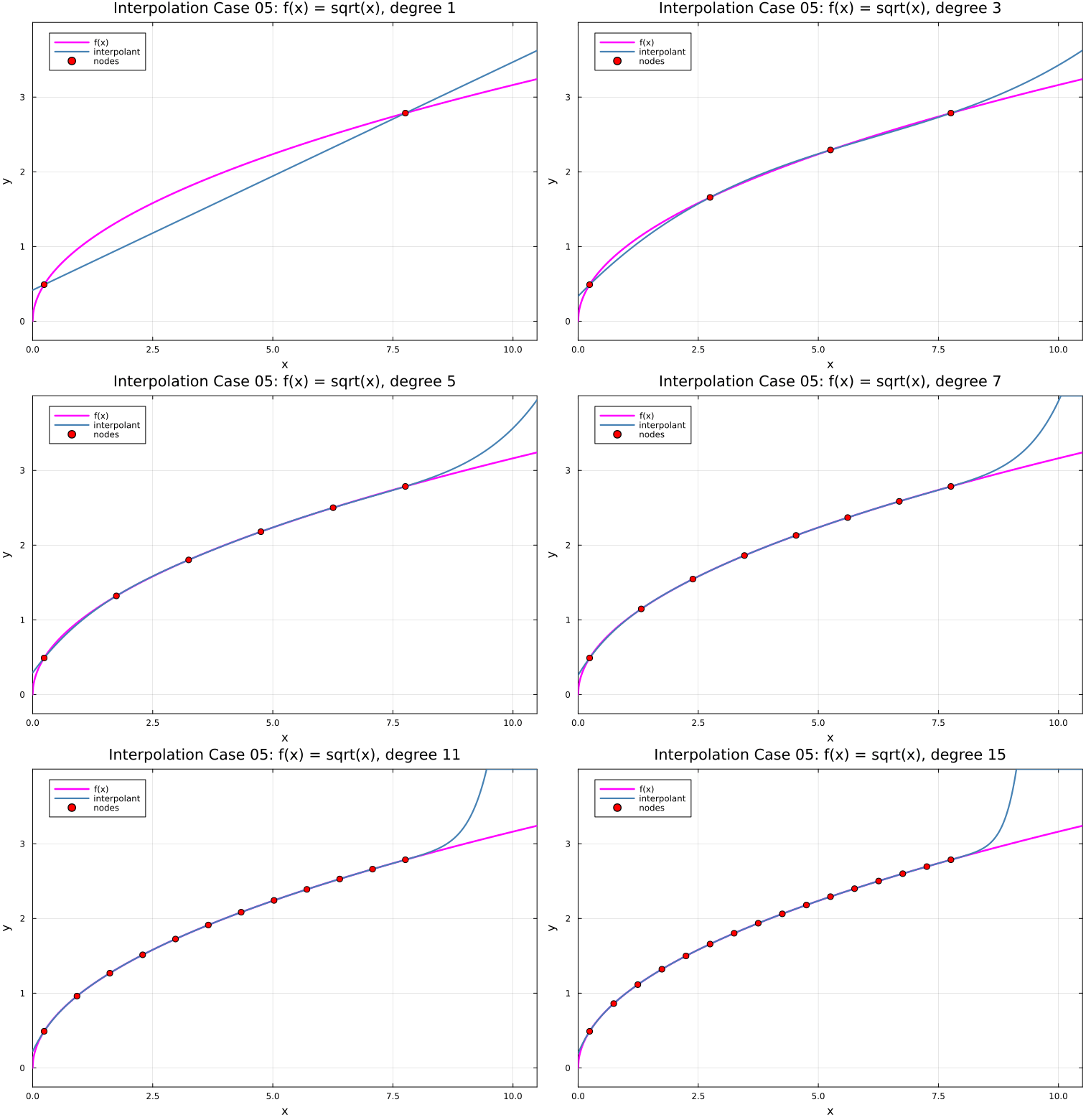
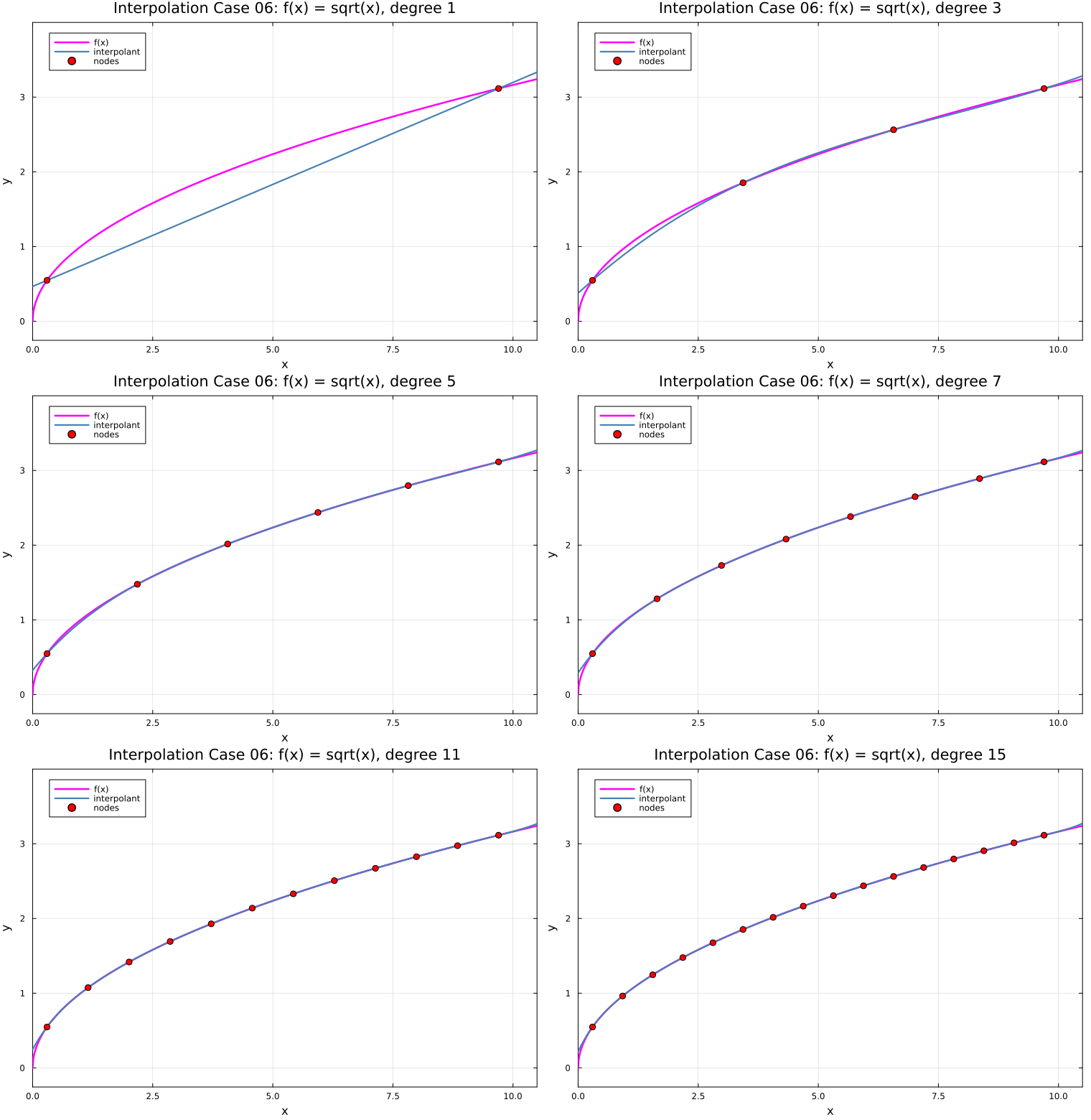
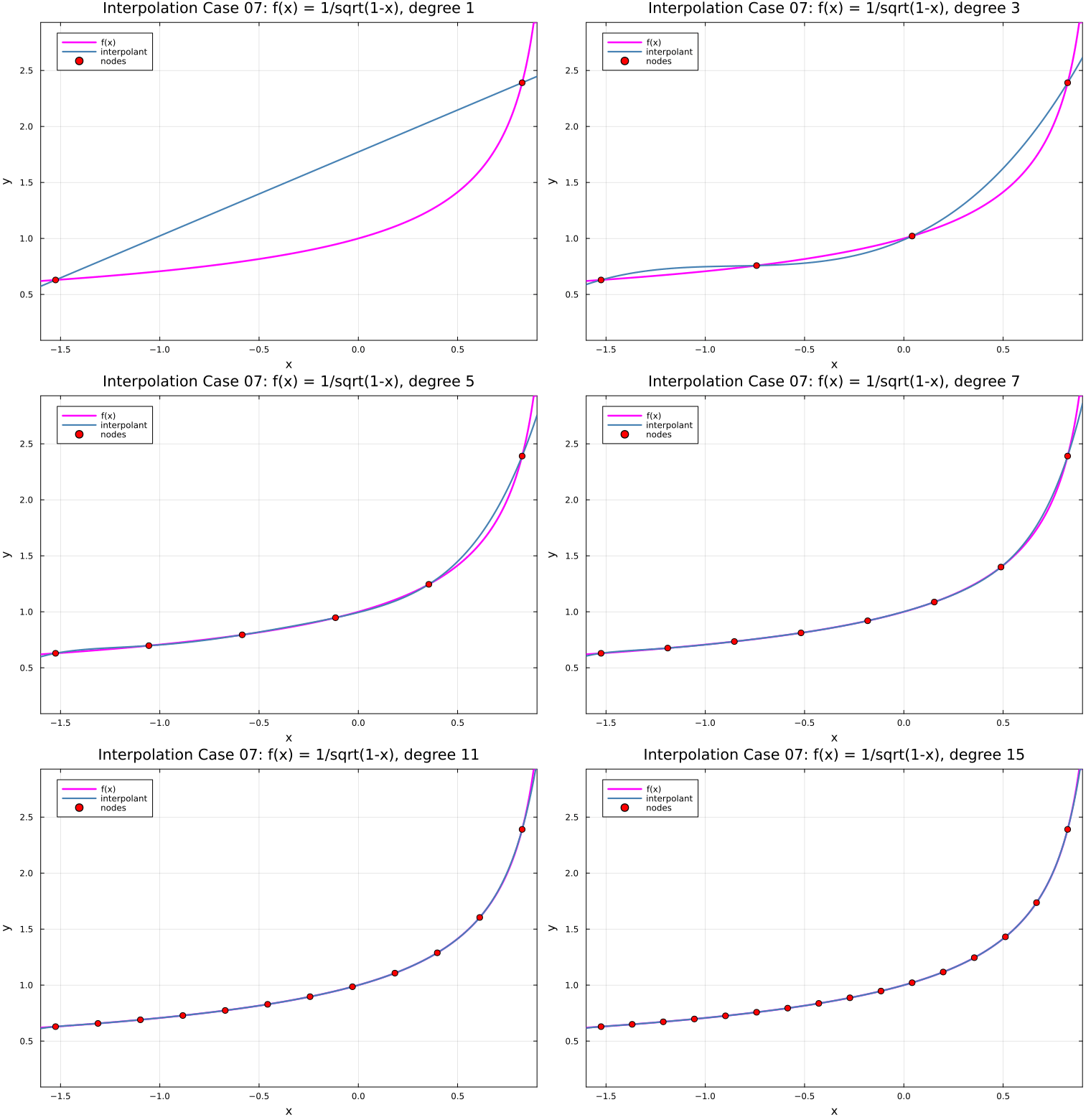
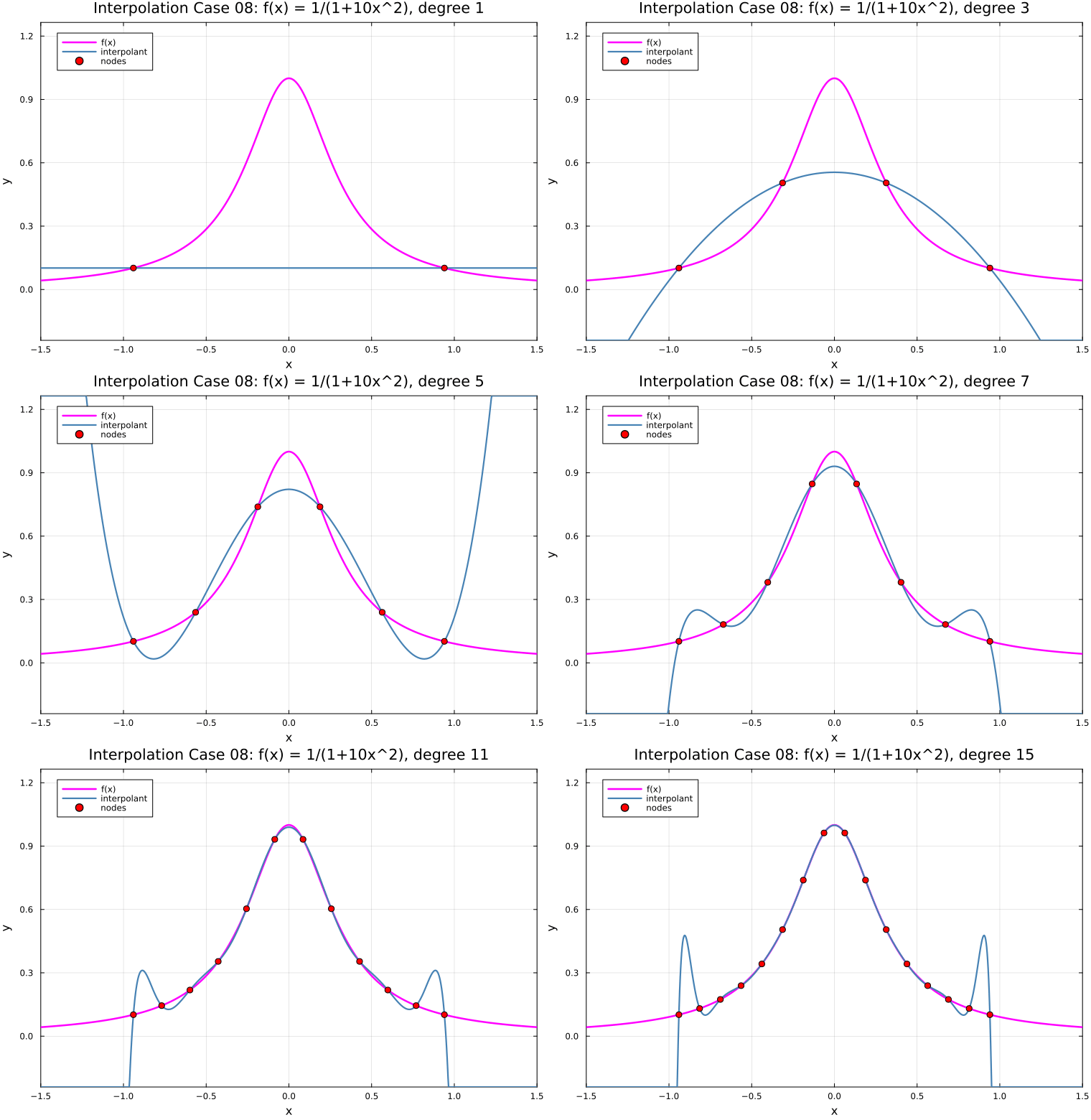
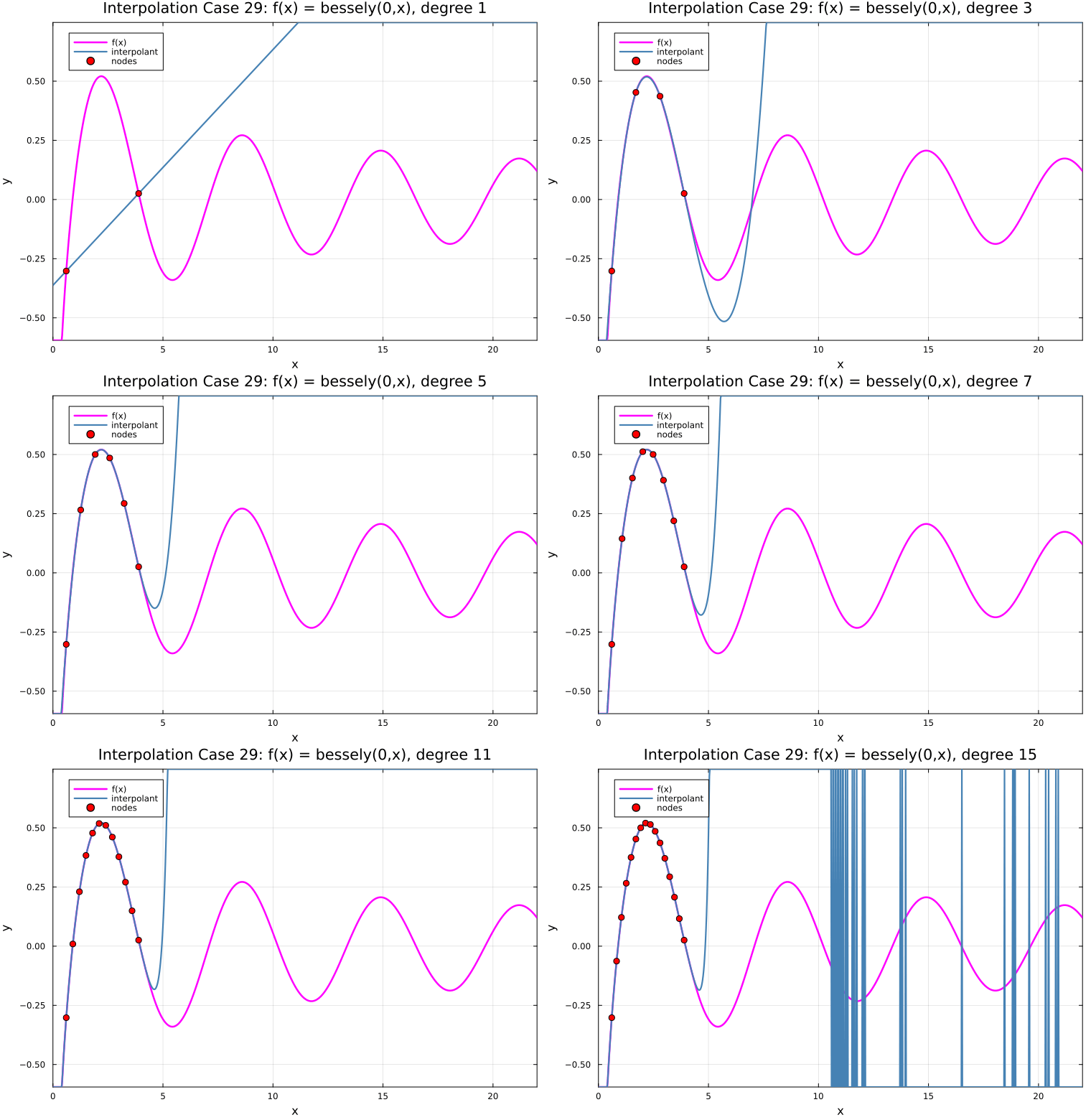
The 29 animations below intentionally reuse the same interpolation cases as the Lagrange page, matching the legacy Mathews case ordering.
Animations
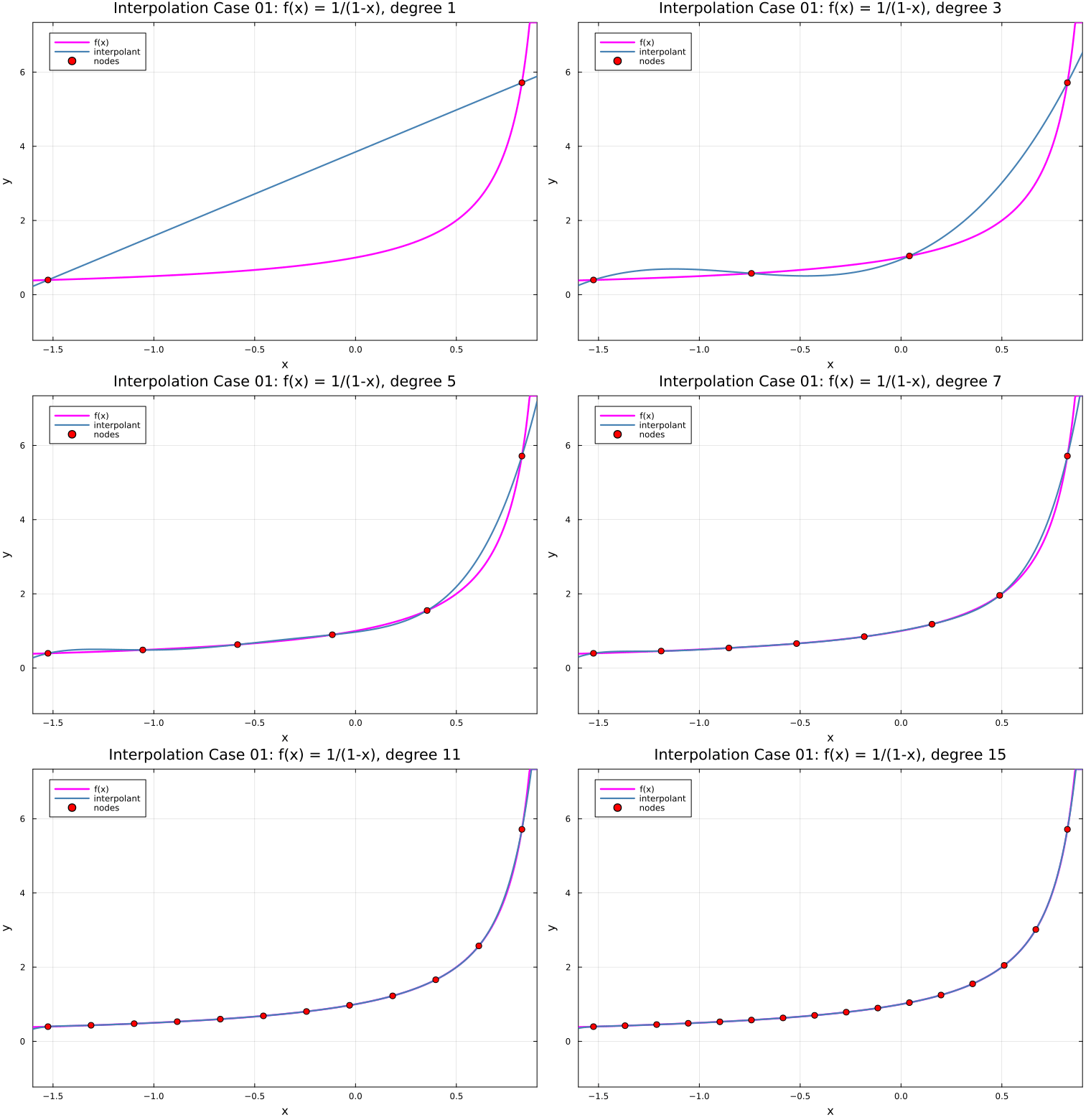
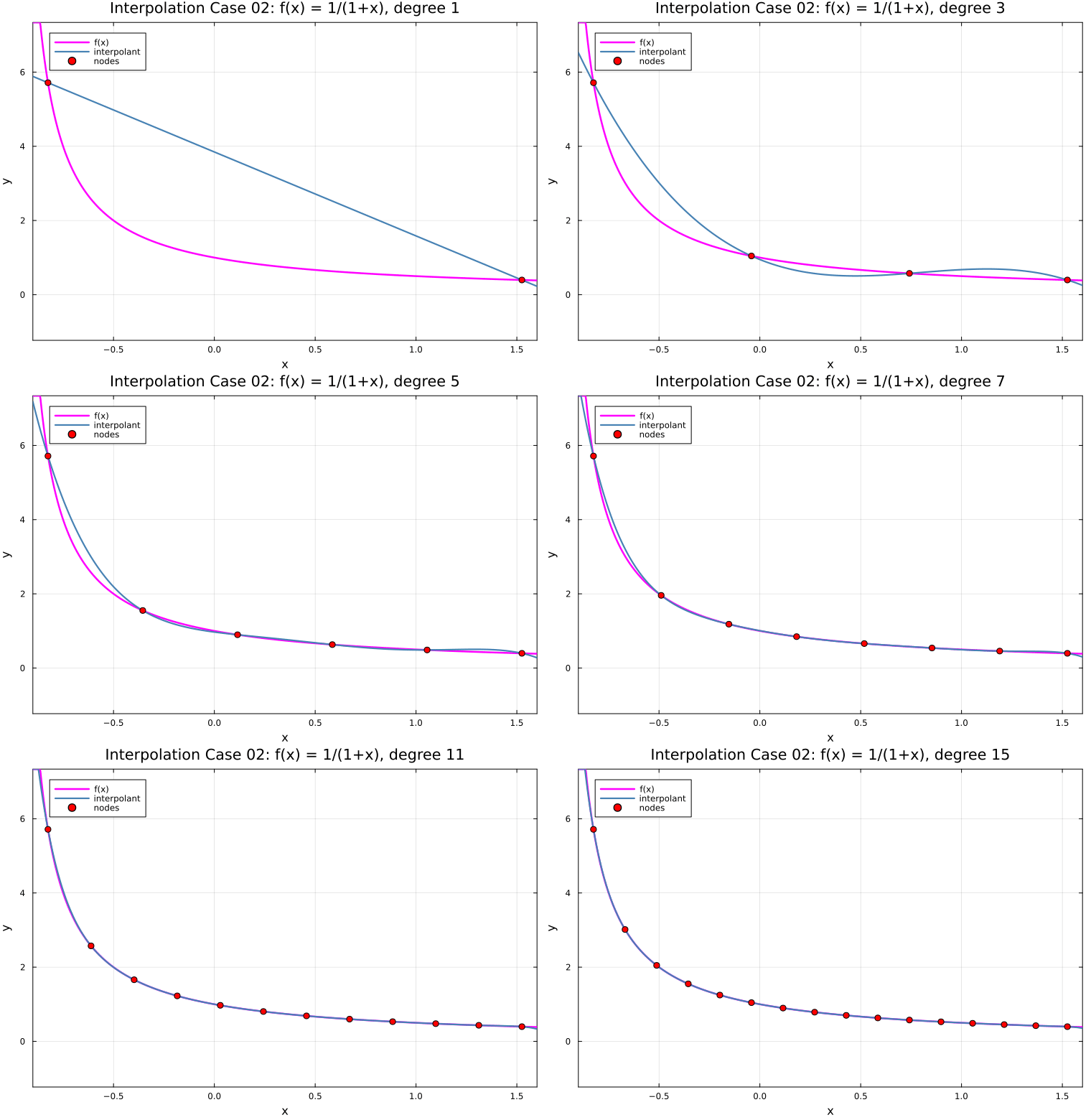
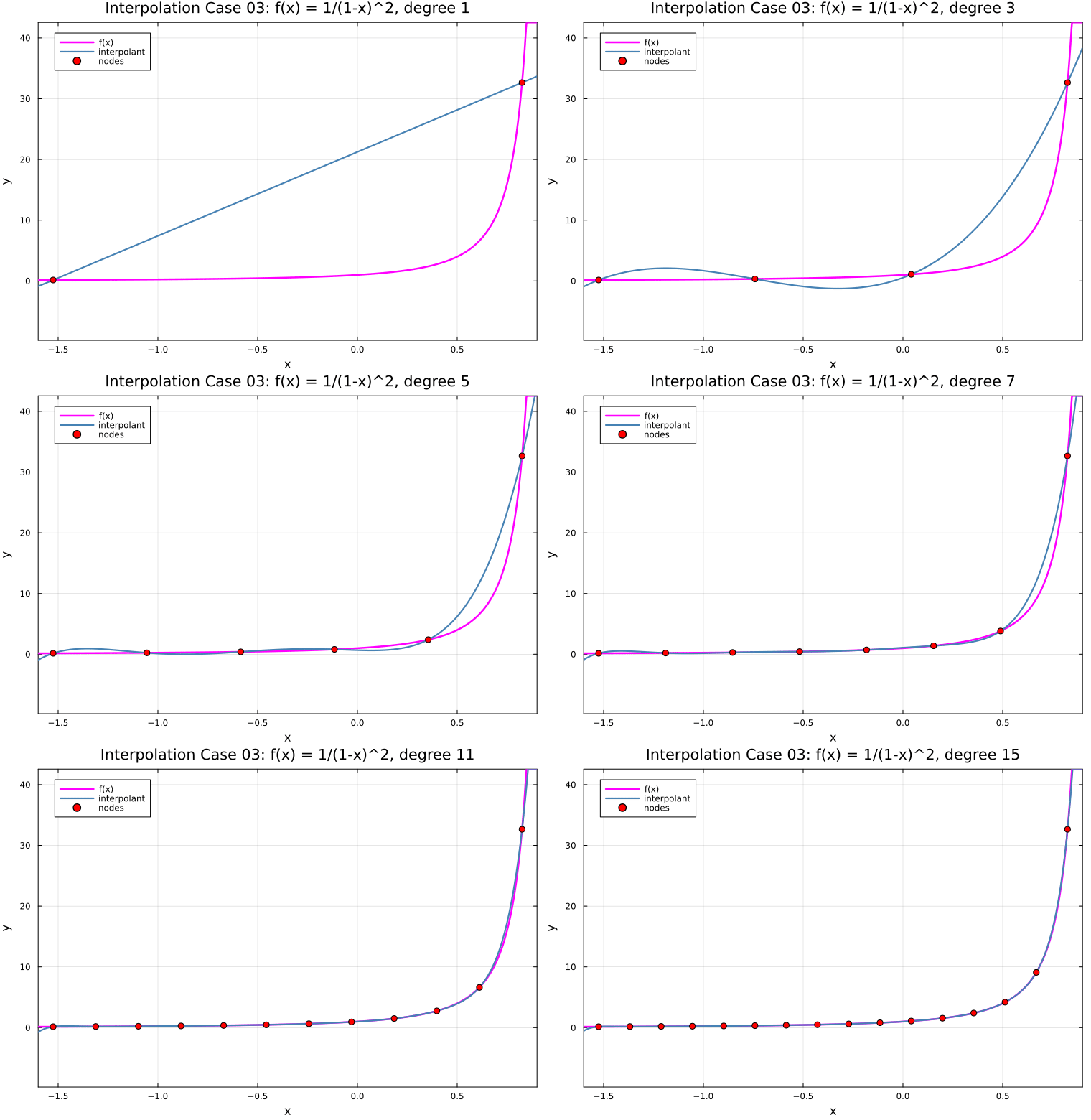
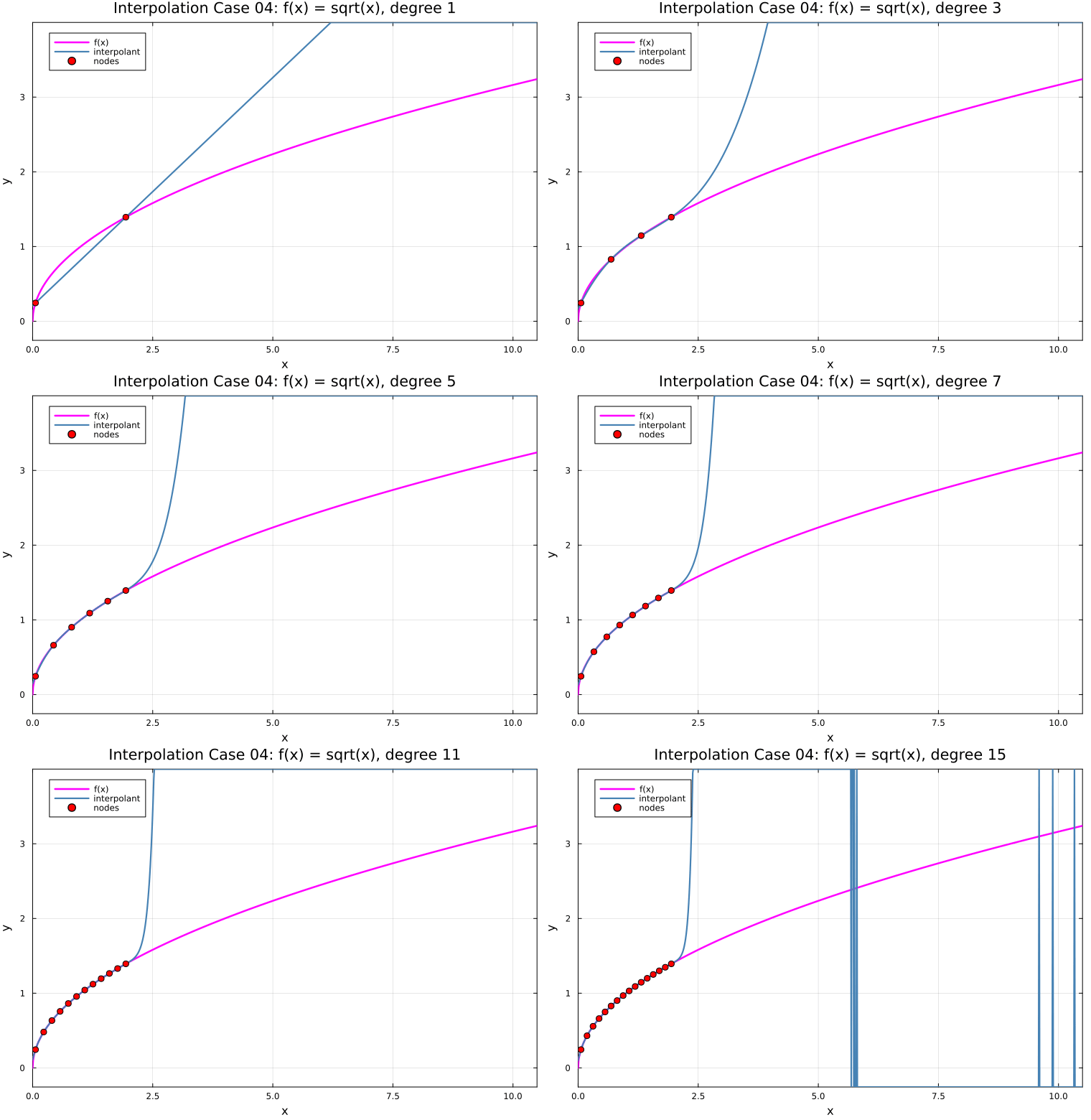
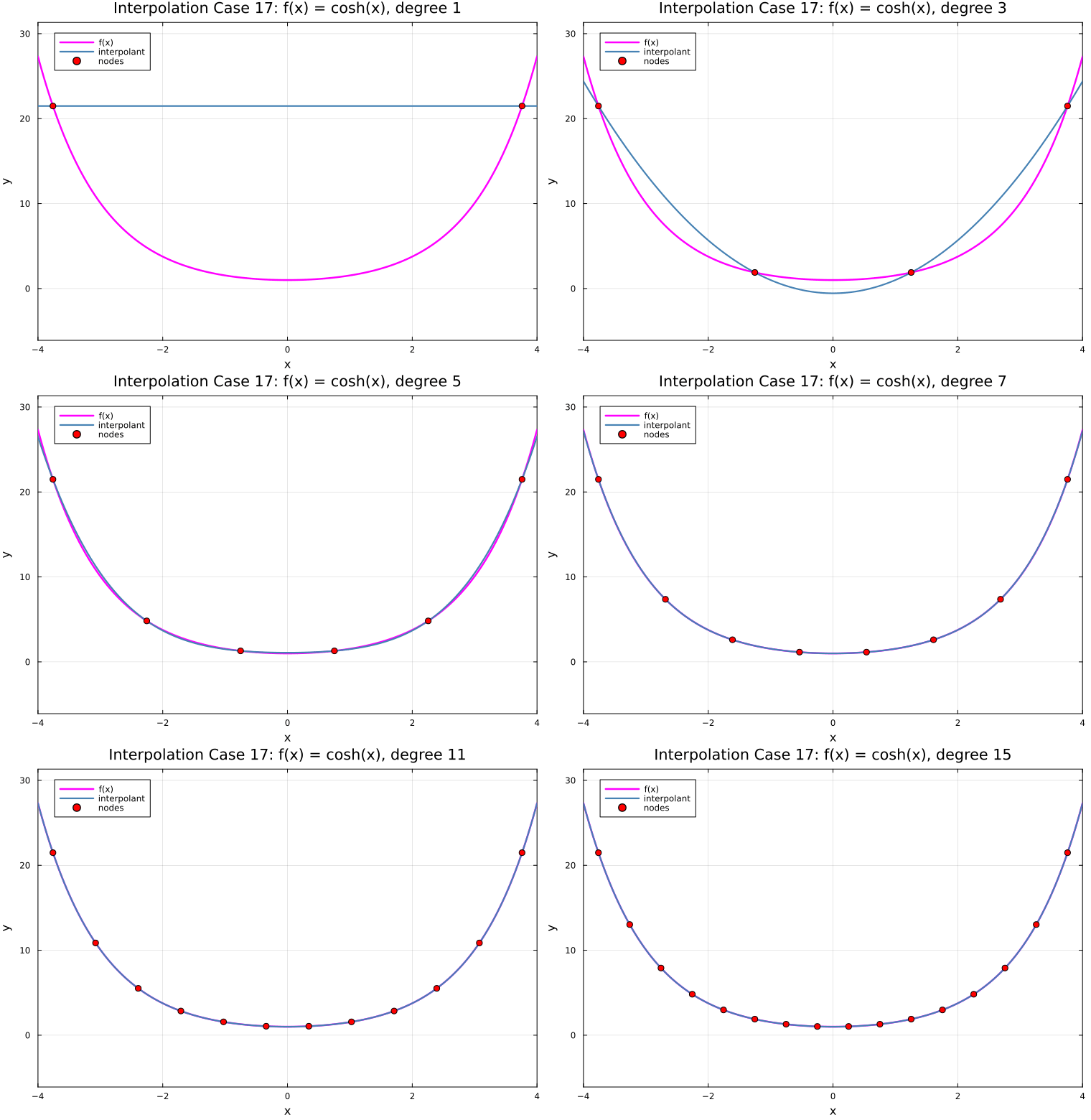
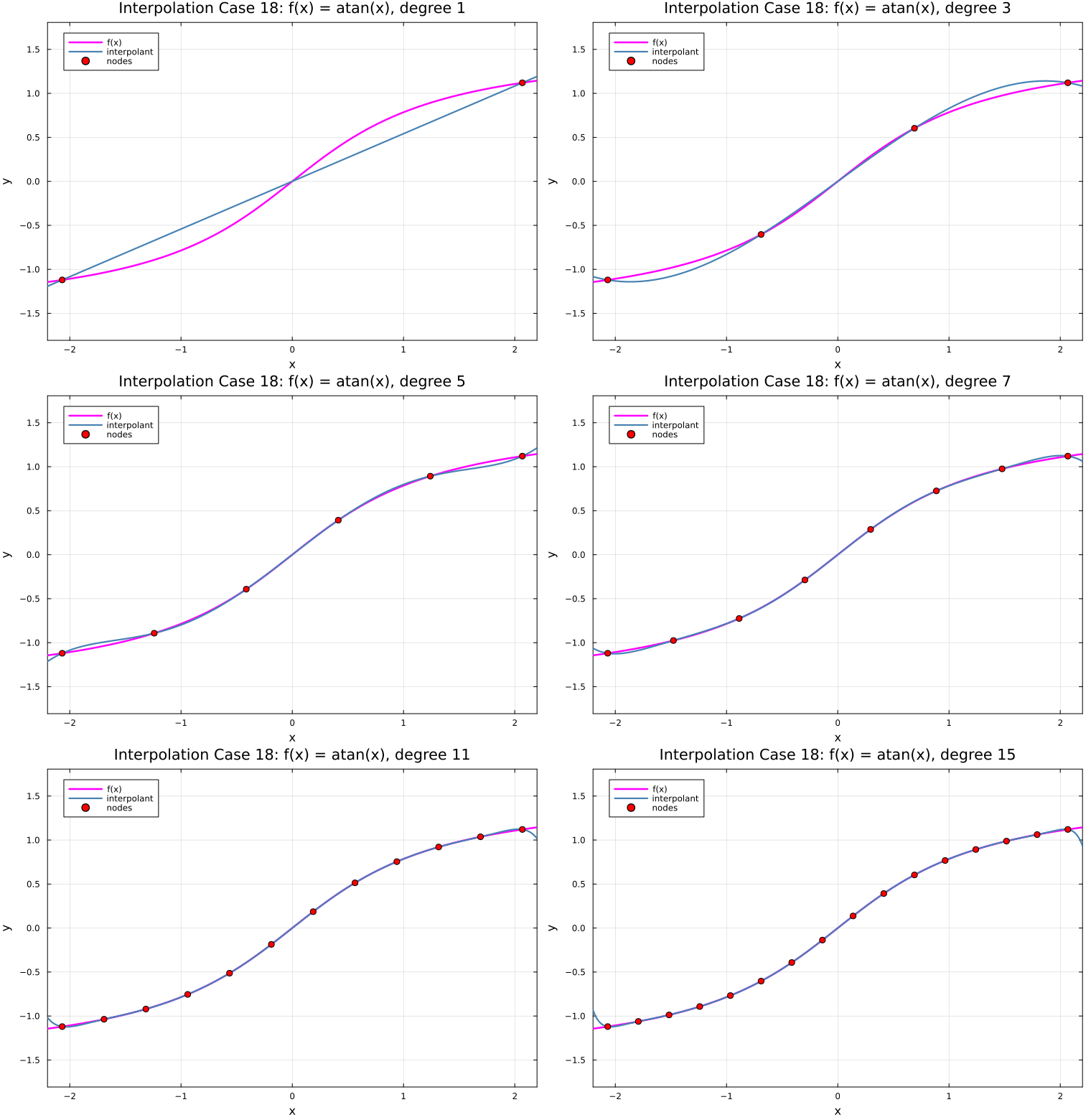
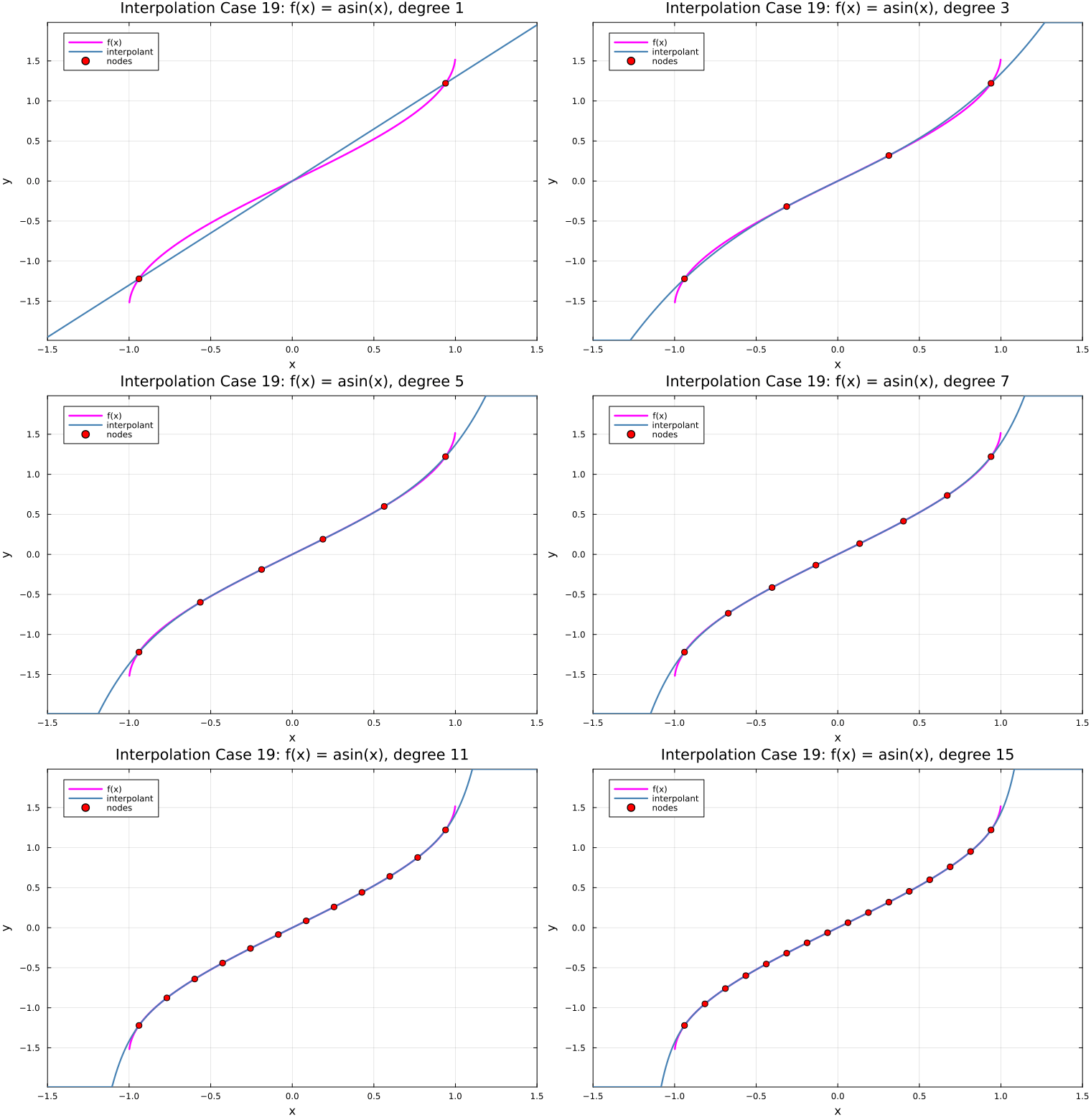
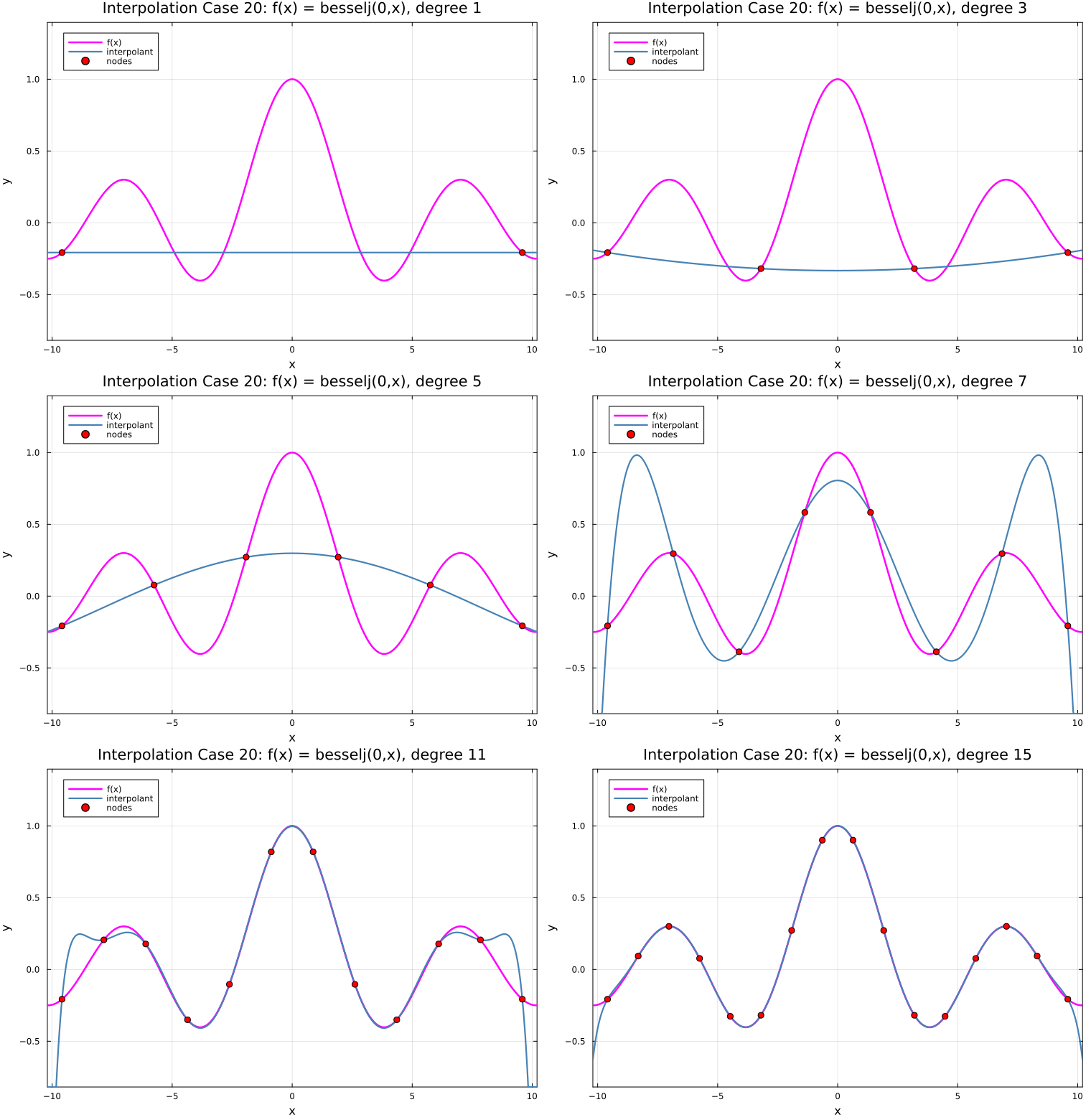
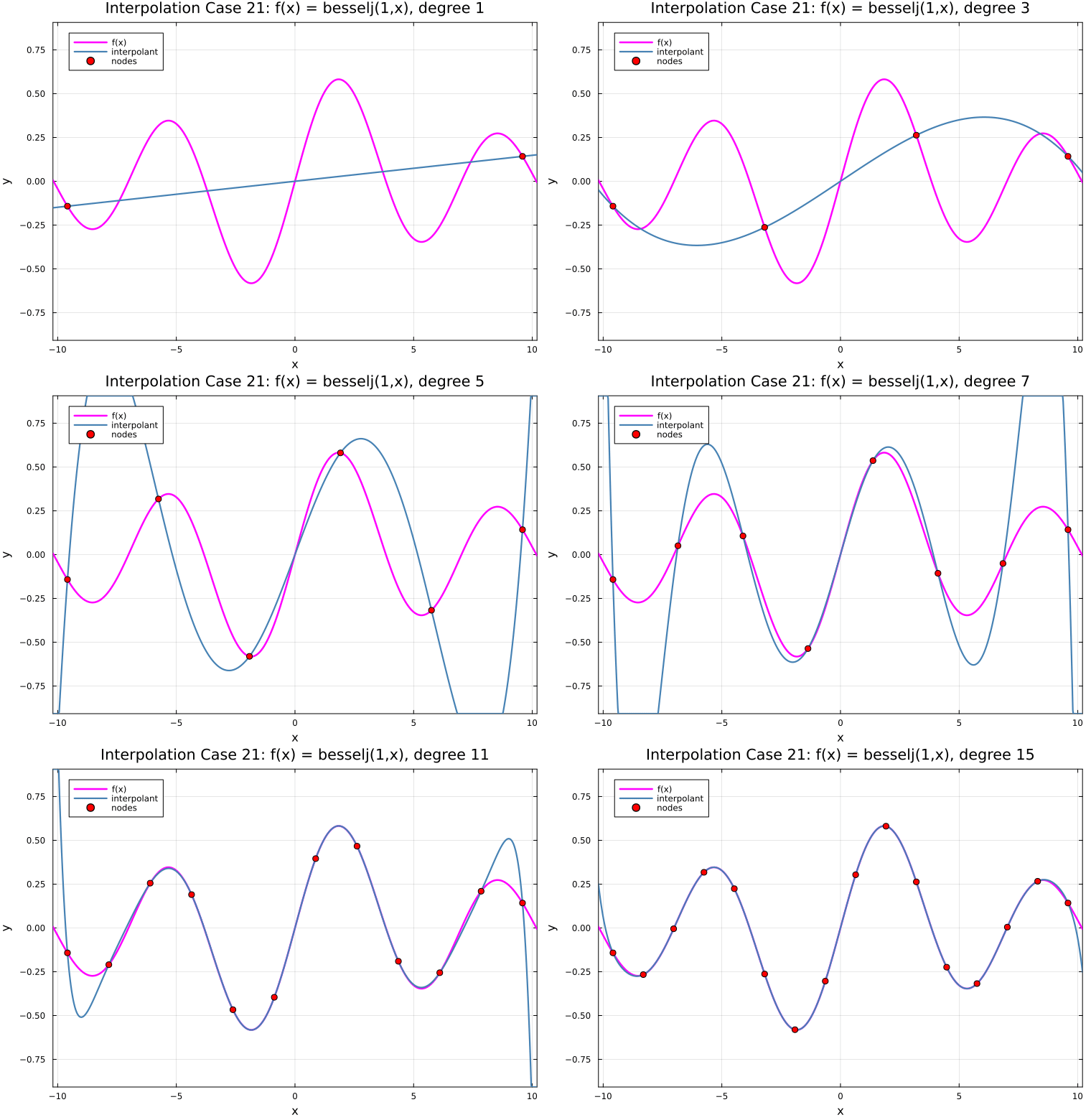
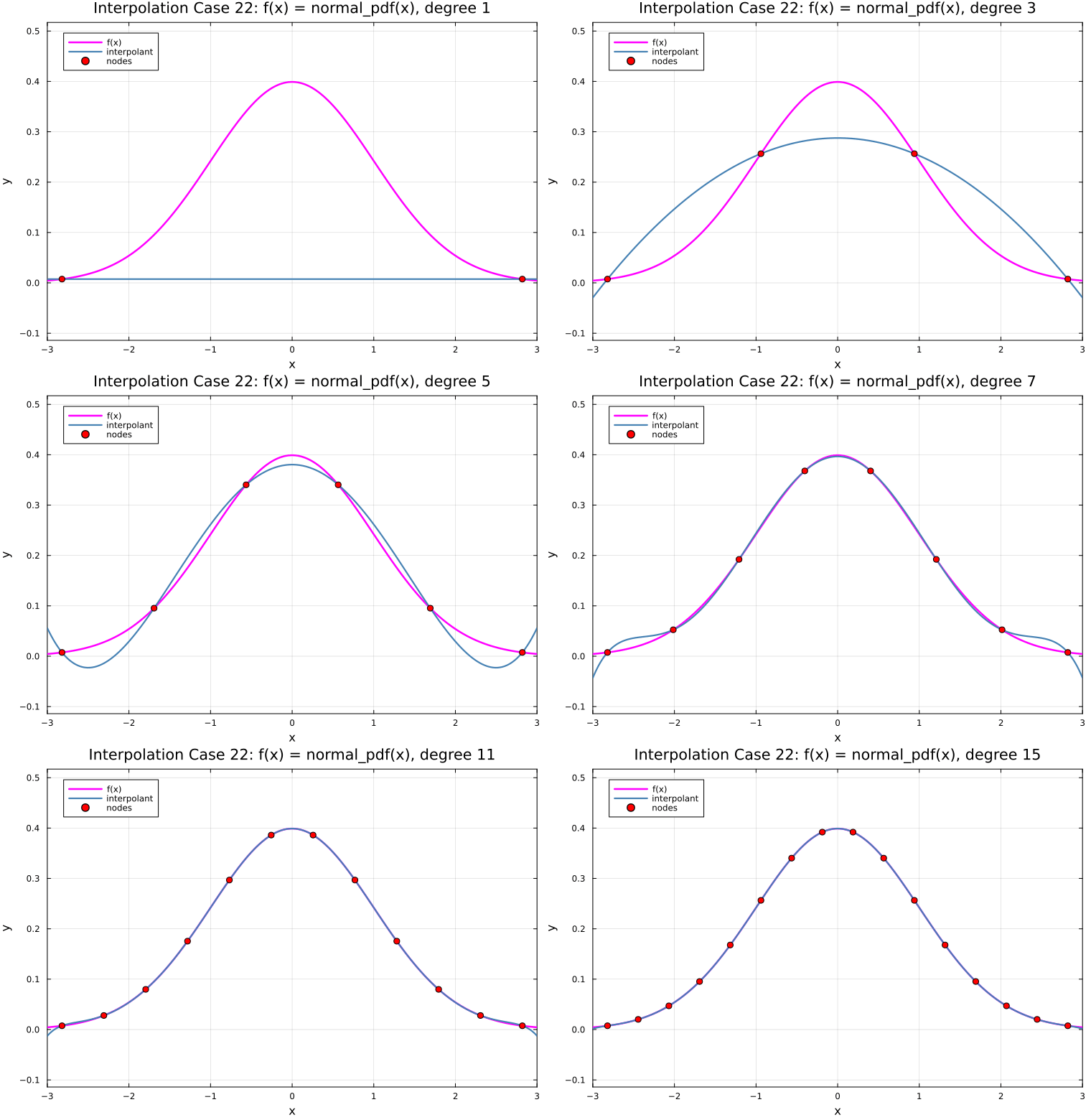
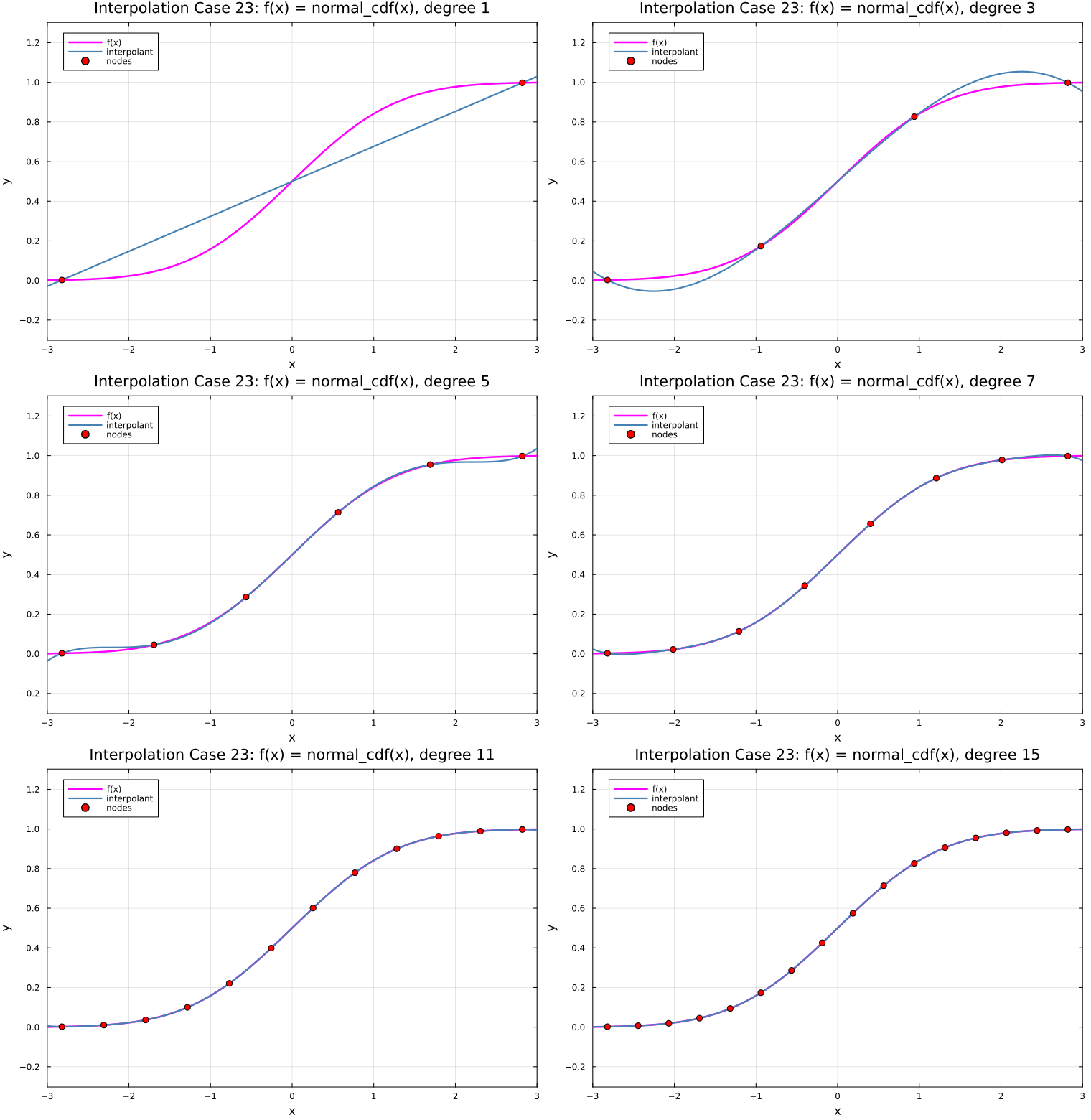
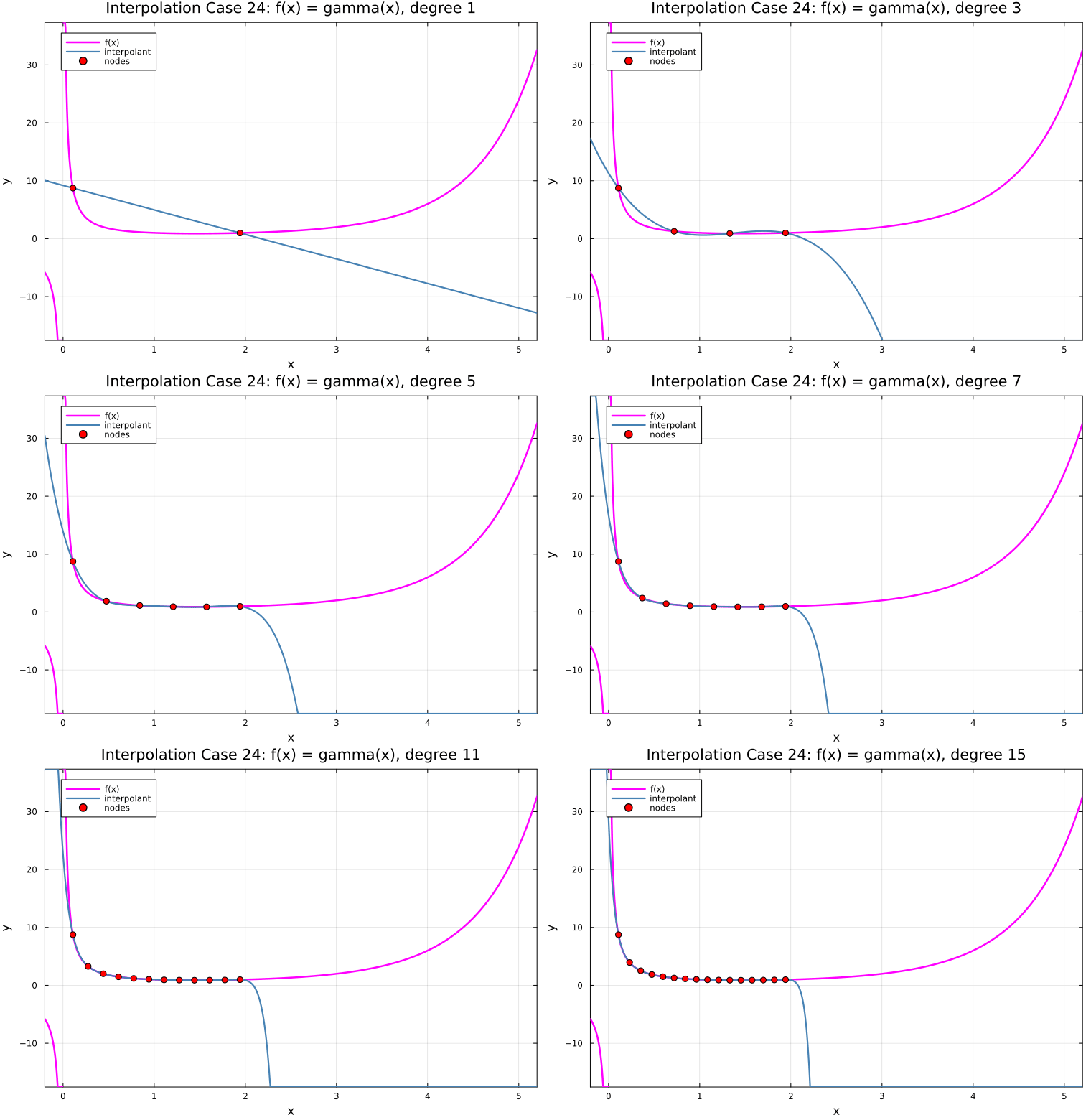
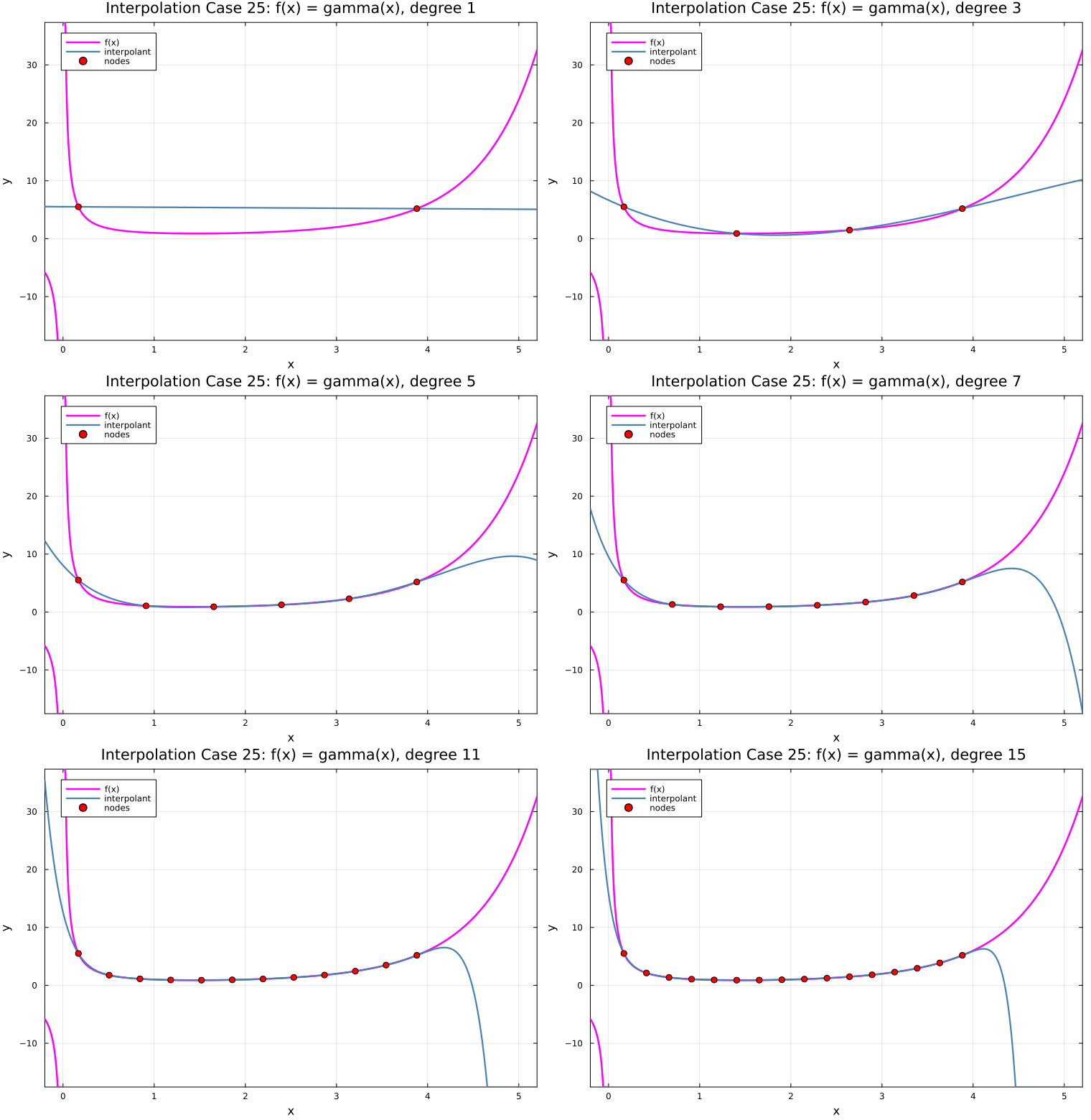
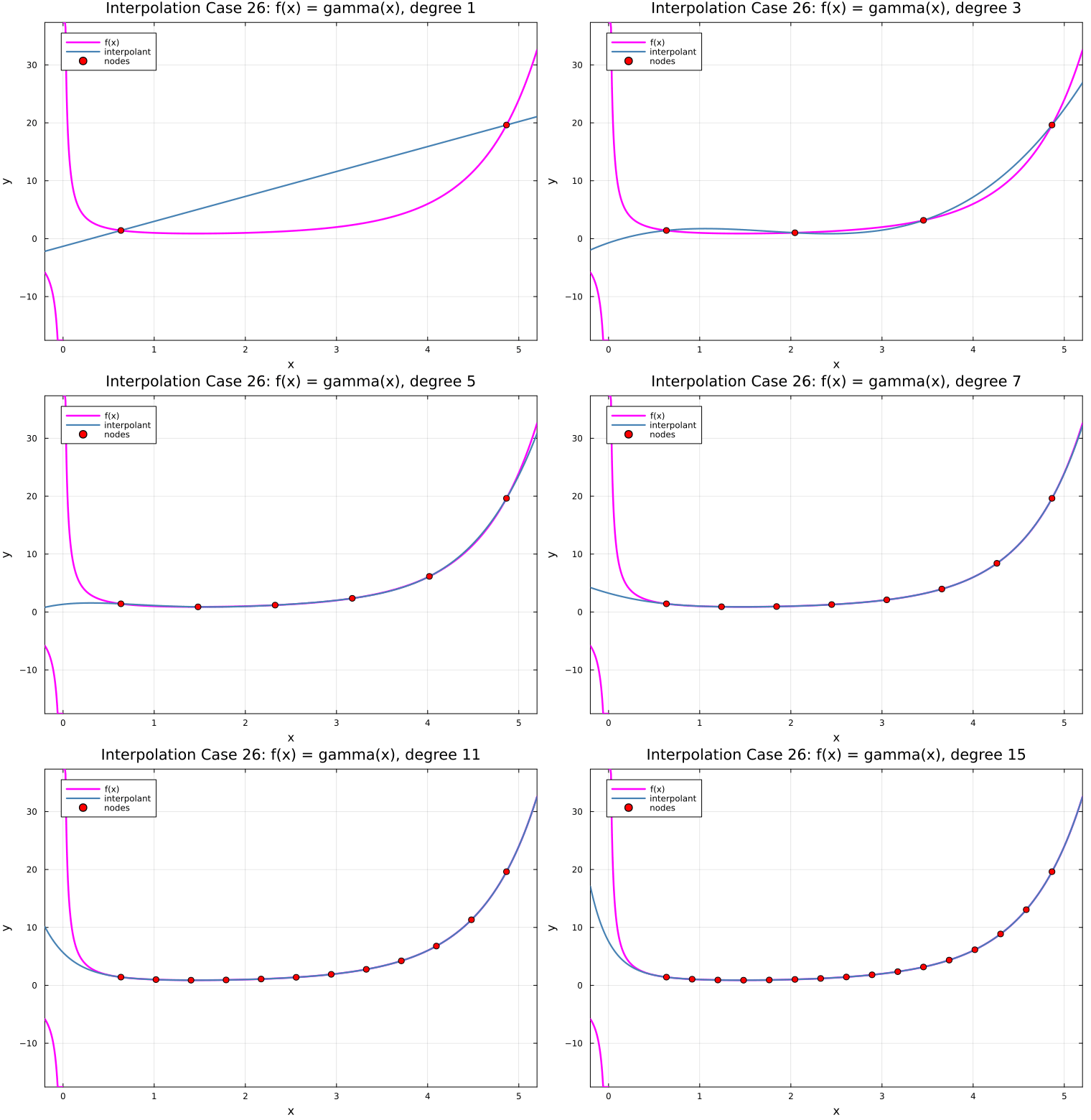
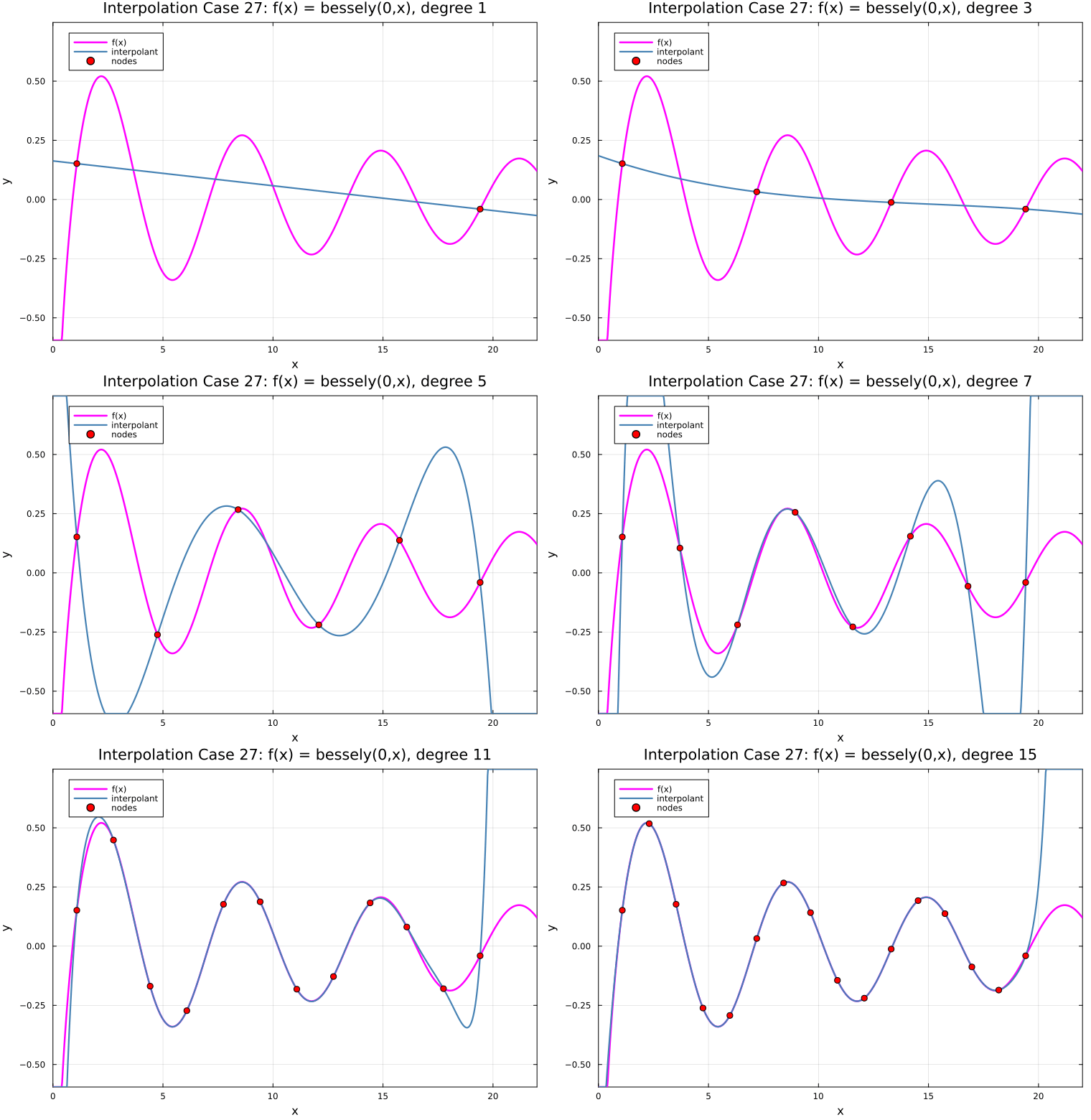
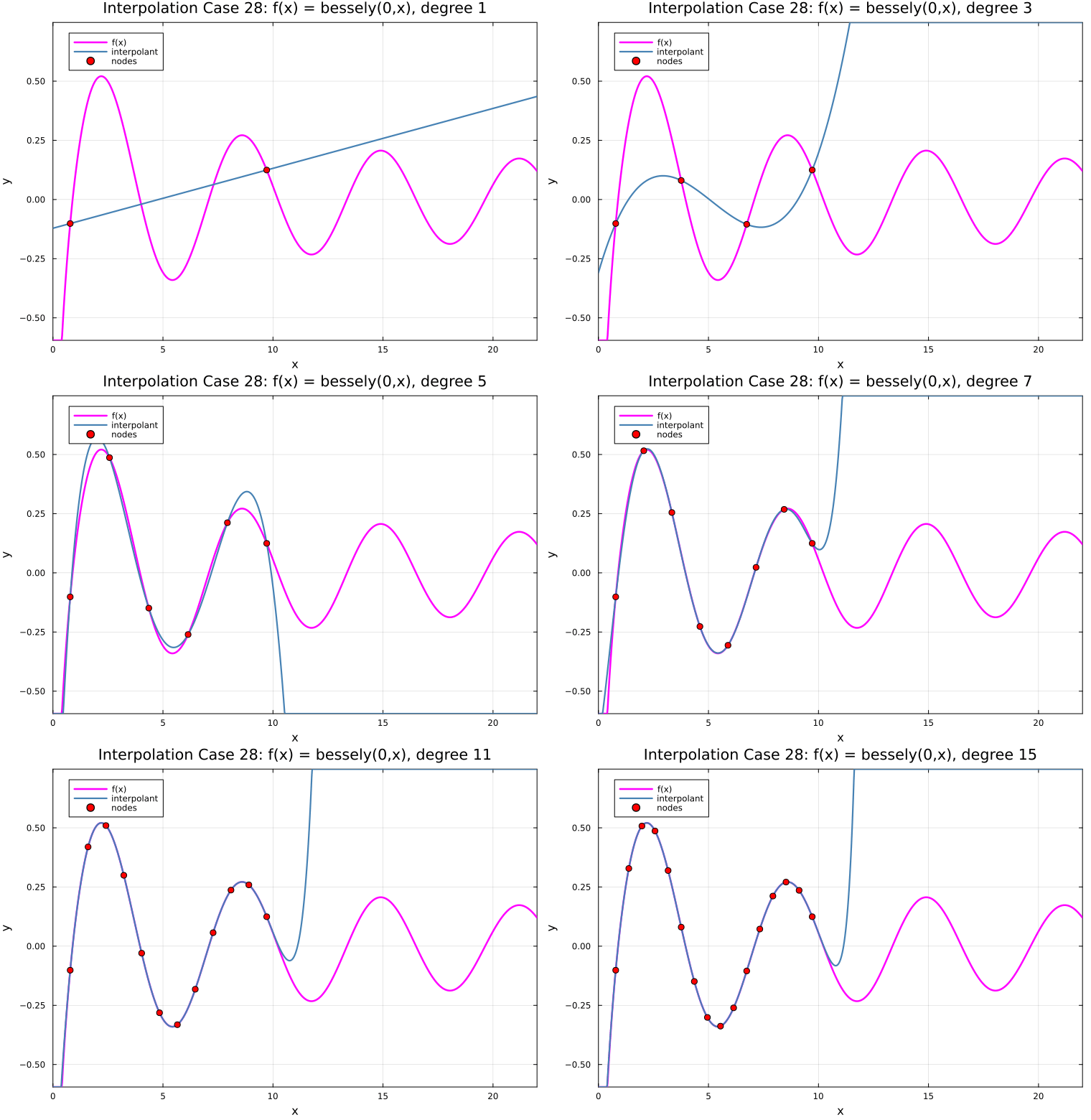
Each animation increases polynomial degree one step at a time for a fixed function and interval.
Case 01
Case 02
Case 03
Case 04
Case 05
Case 06
Case 07
Case 08
Case 09
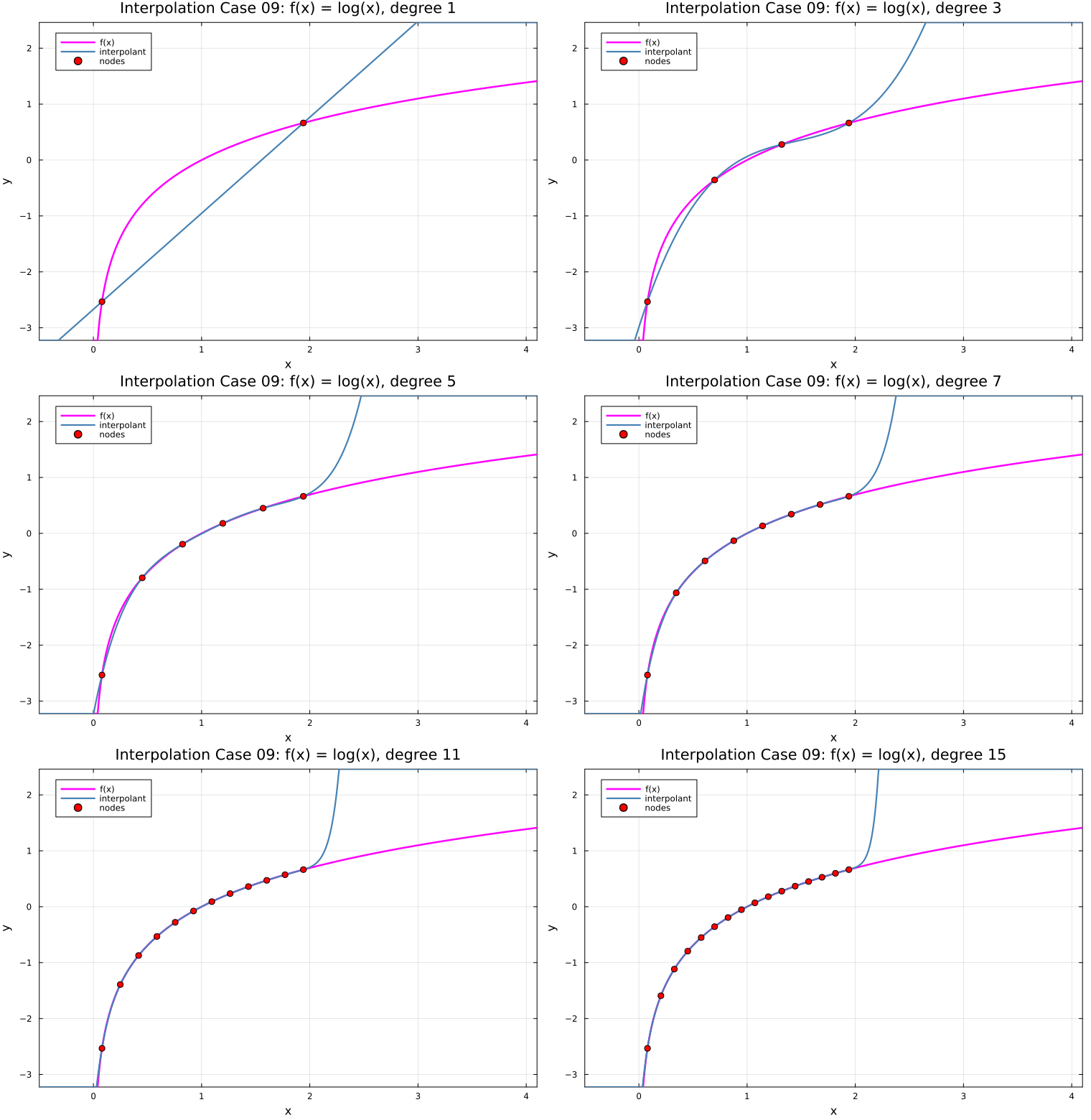
Case 10
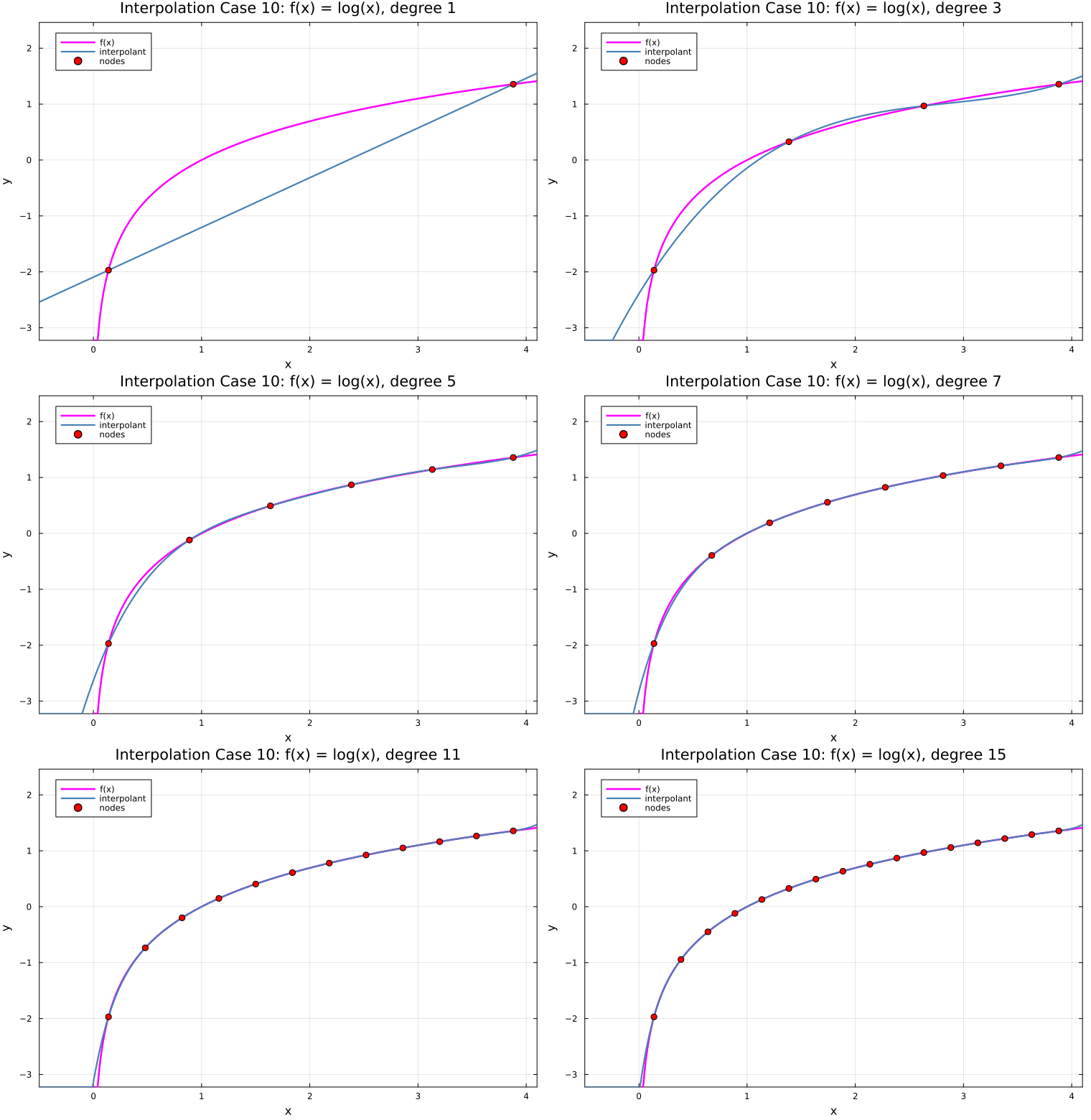
Case 11
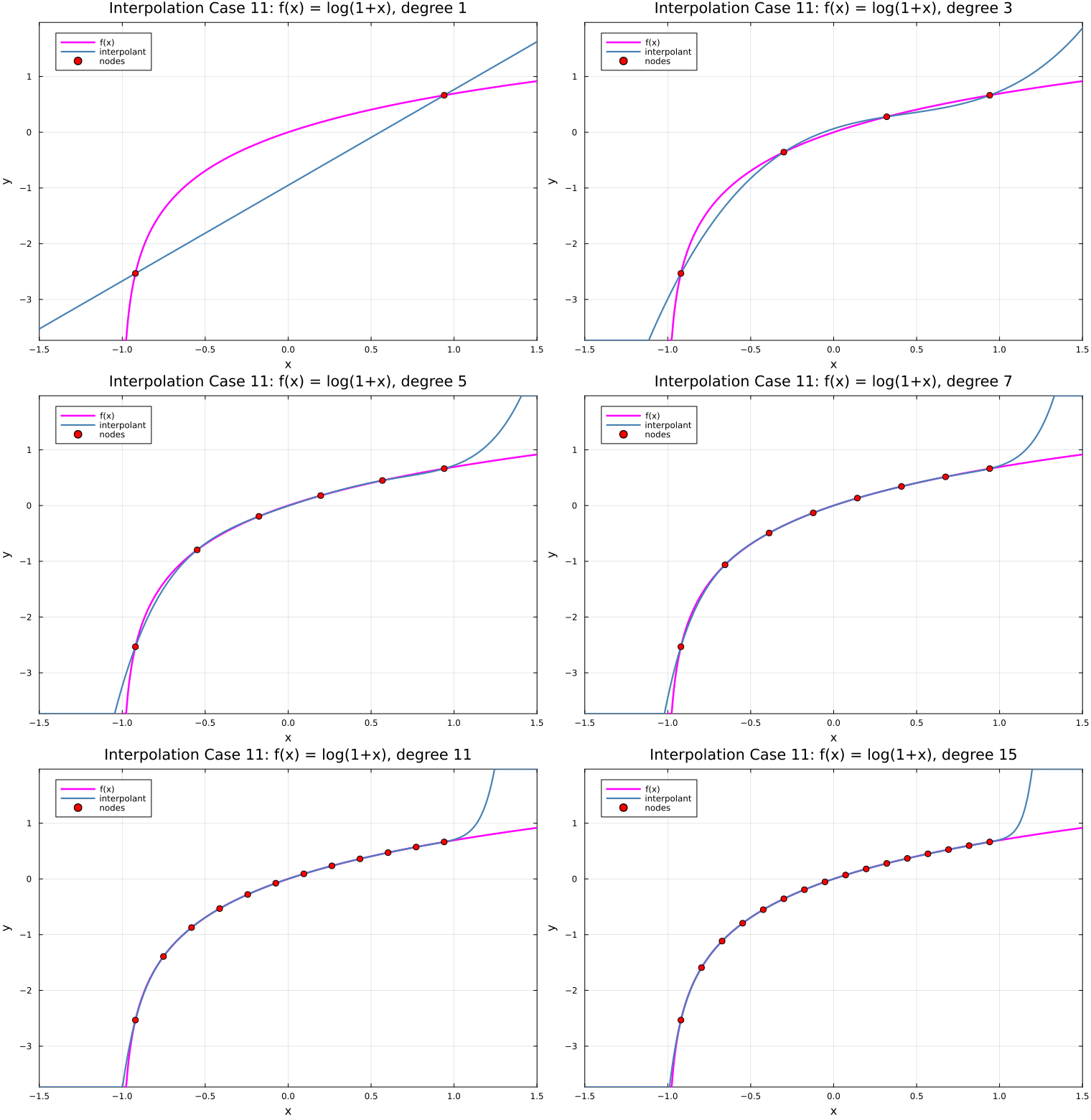
Case 12
Case 13
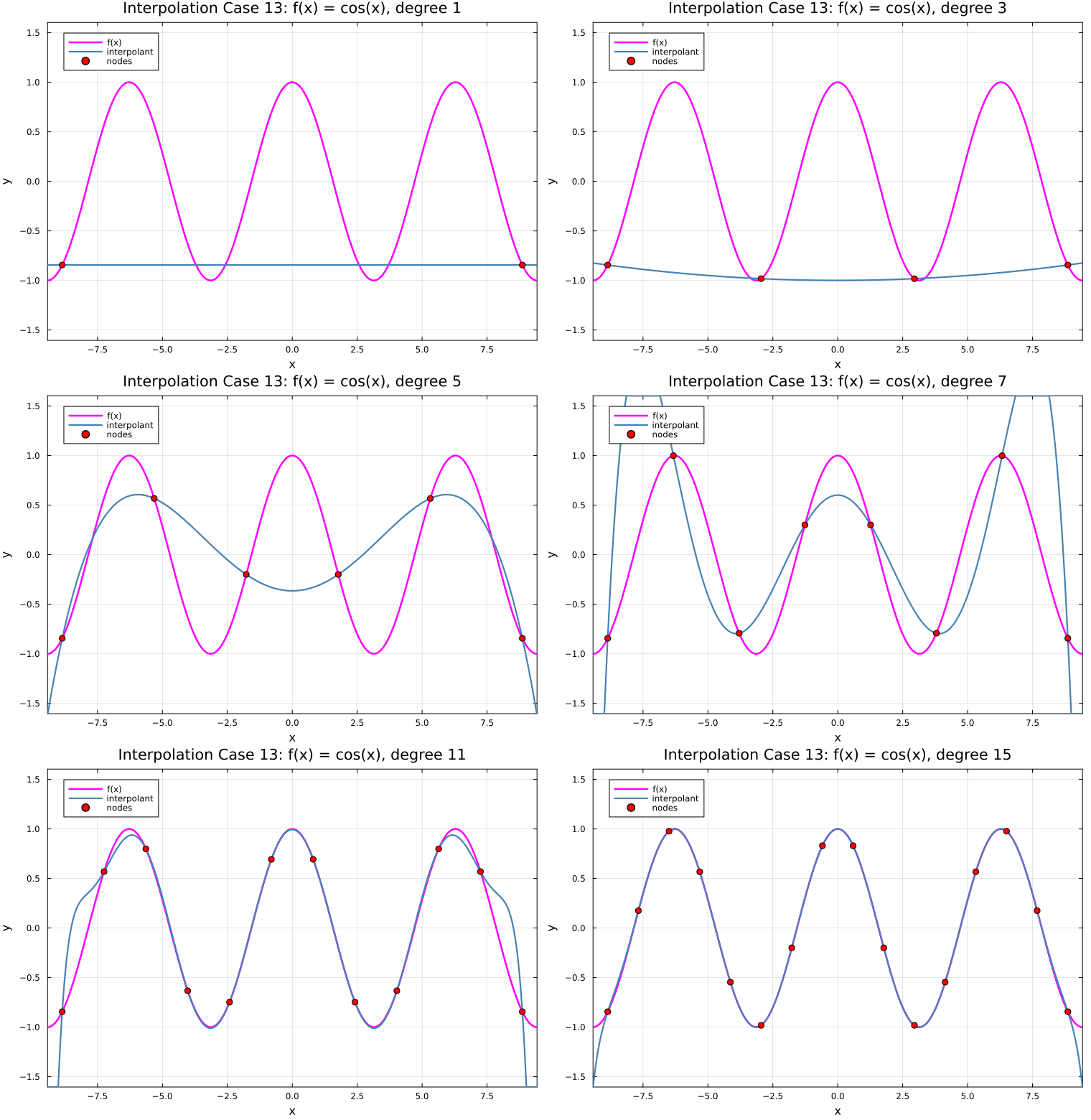
Case 14
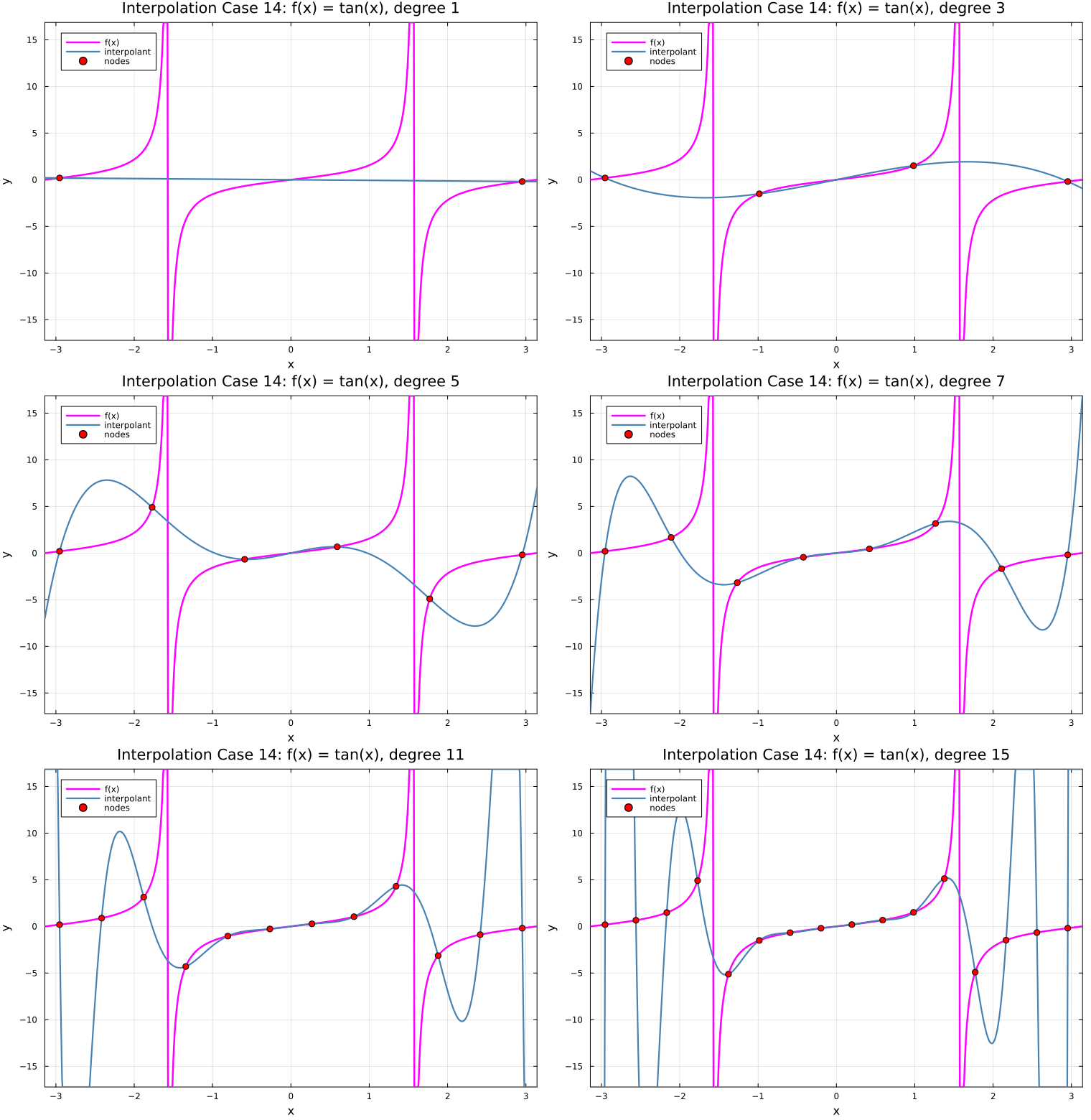
Case 15
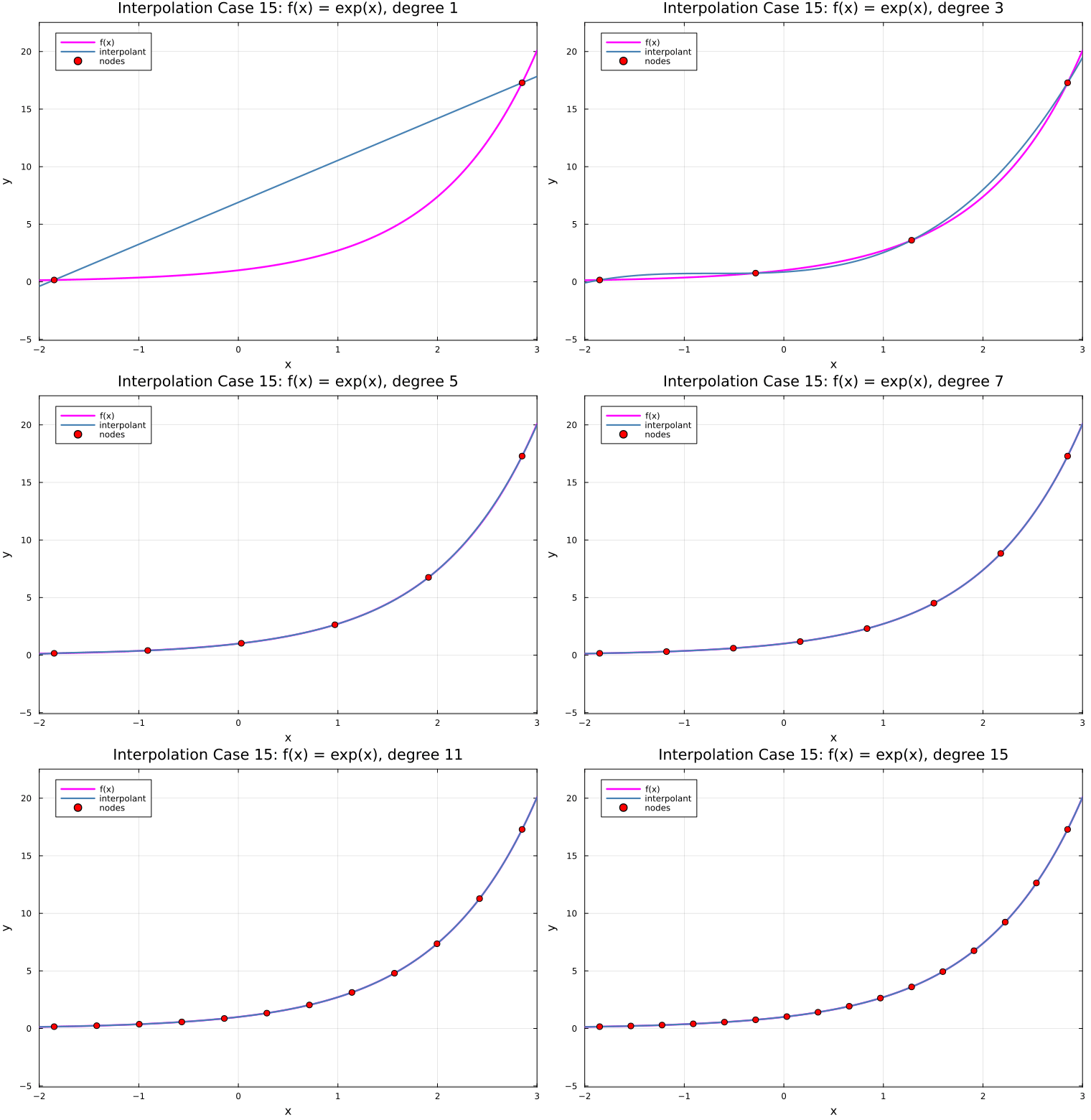
Case 16
Case 17
Case 18
Case 19
Case 20
Case 21
Case 22
Case 23
Case 24
Case 25
Case 26
Case 27
Case 28
Case 29
Derivation Notes (Planned)
Short derivations will be added for divided differences, nested evaluation, and incremental updates.
References
Mathew, John H. 2000-2019. Numerical Analysis - Numerical Methods Modules. https://web.archive.org/web/20190808102217/http://mathfaculty.fullerton.edu/mathews/n2003/NumericalUndergradMod.html.