Lagrange Polynomial Interpolation and Approximation
Source inspiration: (Mathew 2000-2019).
Description
Lagrange interpolation builds a unique polynomial of degree at most \(n\) through \(n+1\) data points. In barycentric form, it is numerically stable and efficient for evaluation while keeping the same interpolant.
Given nodes \((x_i, y_i)\), the interpolation polynomial is
\[ P_n(x)=\sum_{i=0}^{n} y_i L_i(x), \qquad L_i(x)=\prod_{j\ne i} \frac{x-x_j}{x_i-x_j}. \]
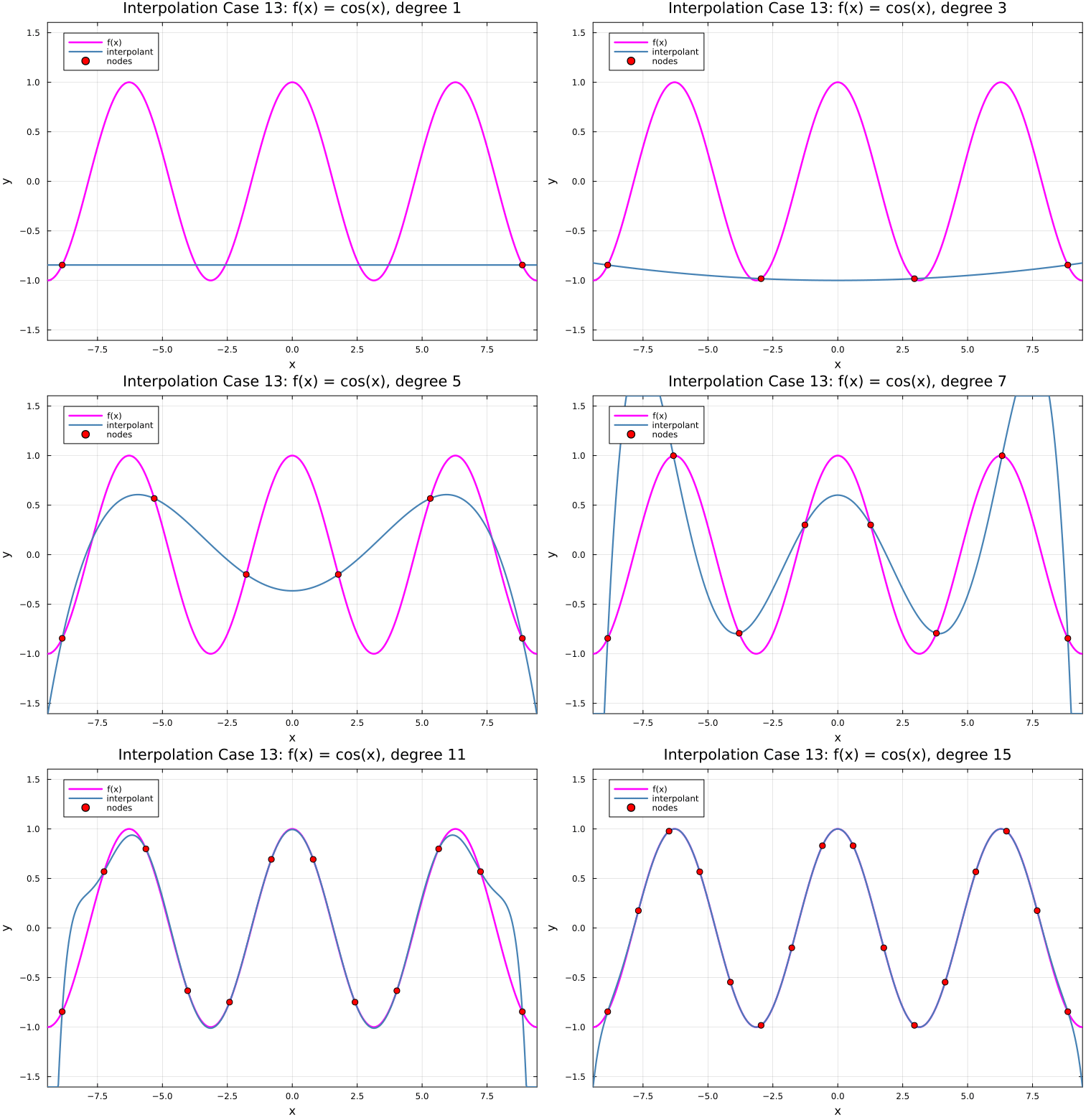
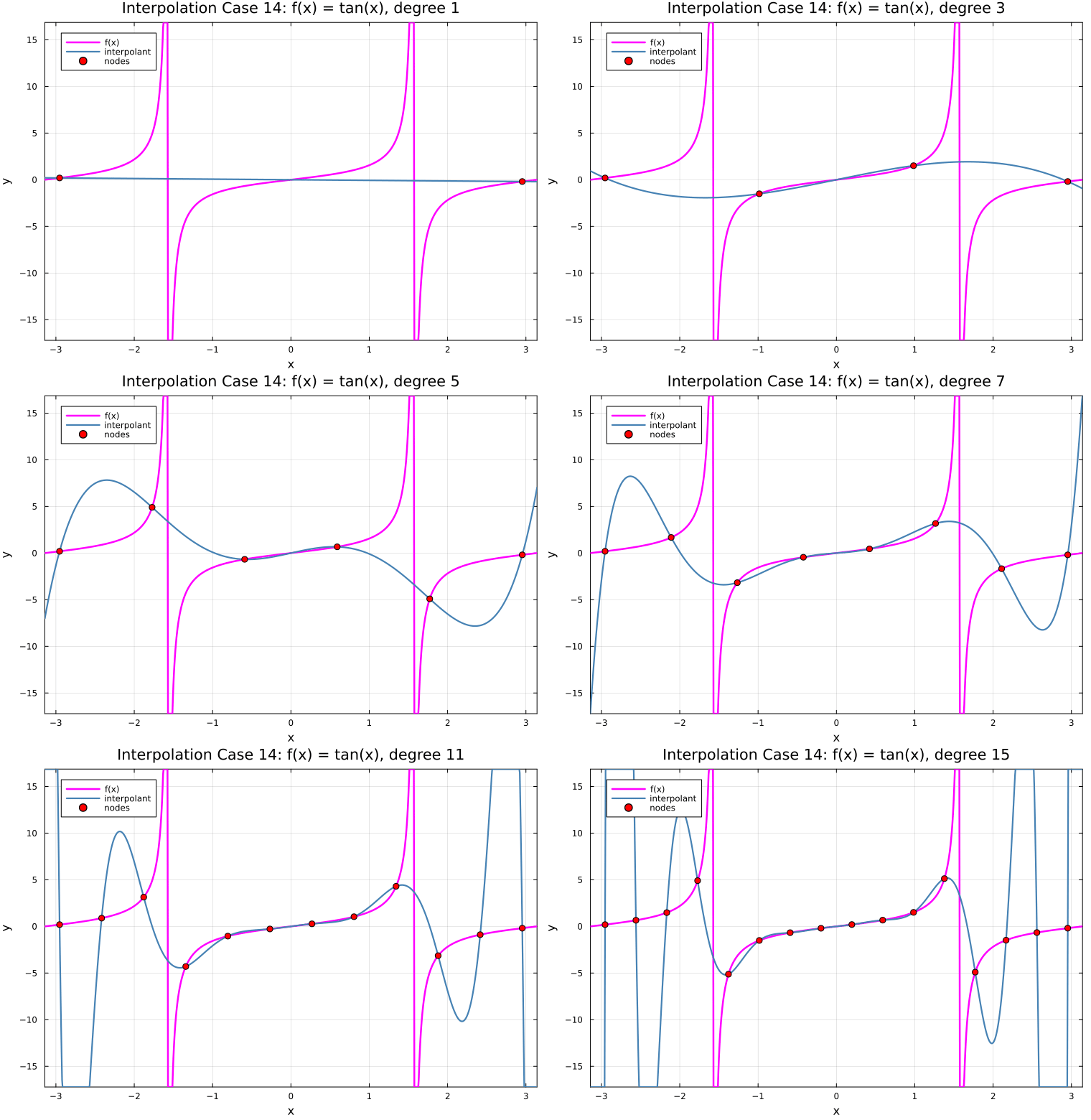
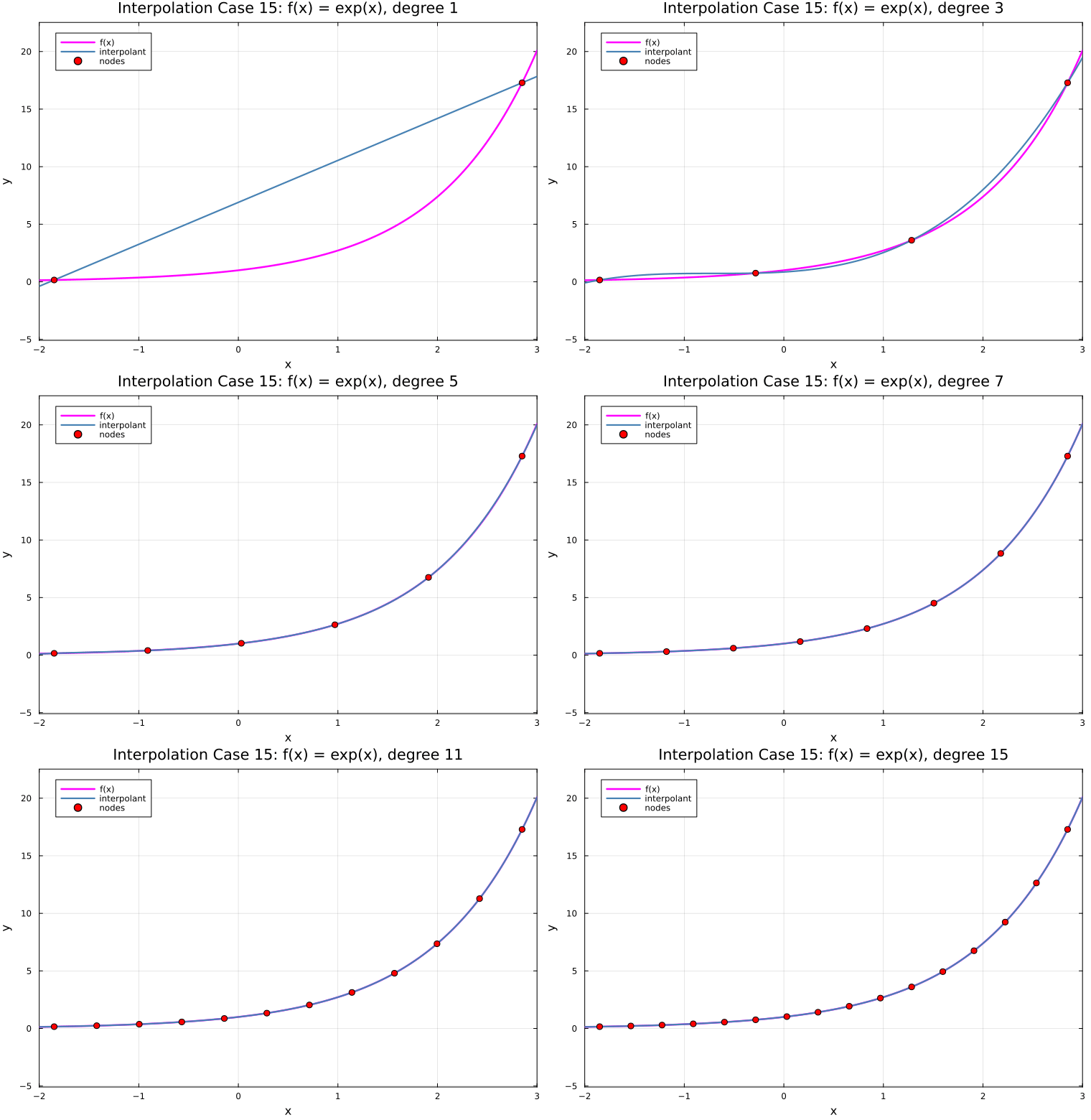
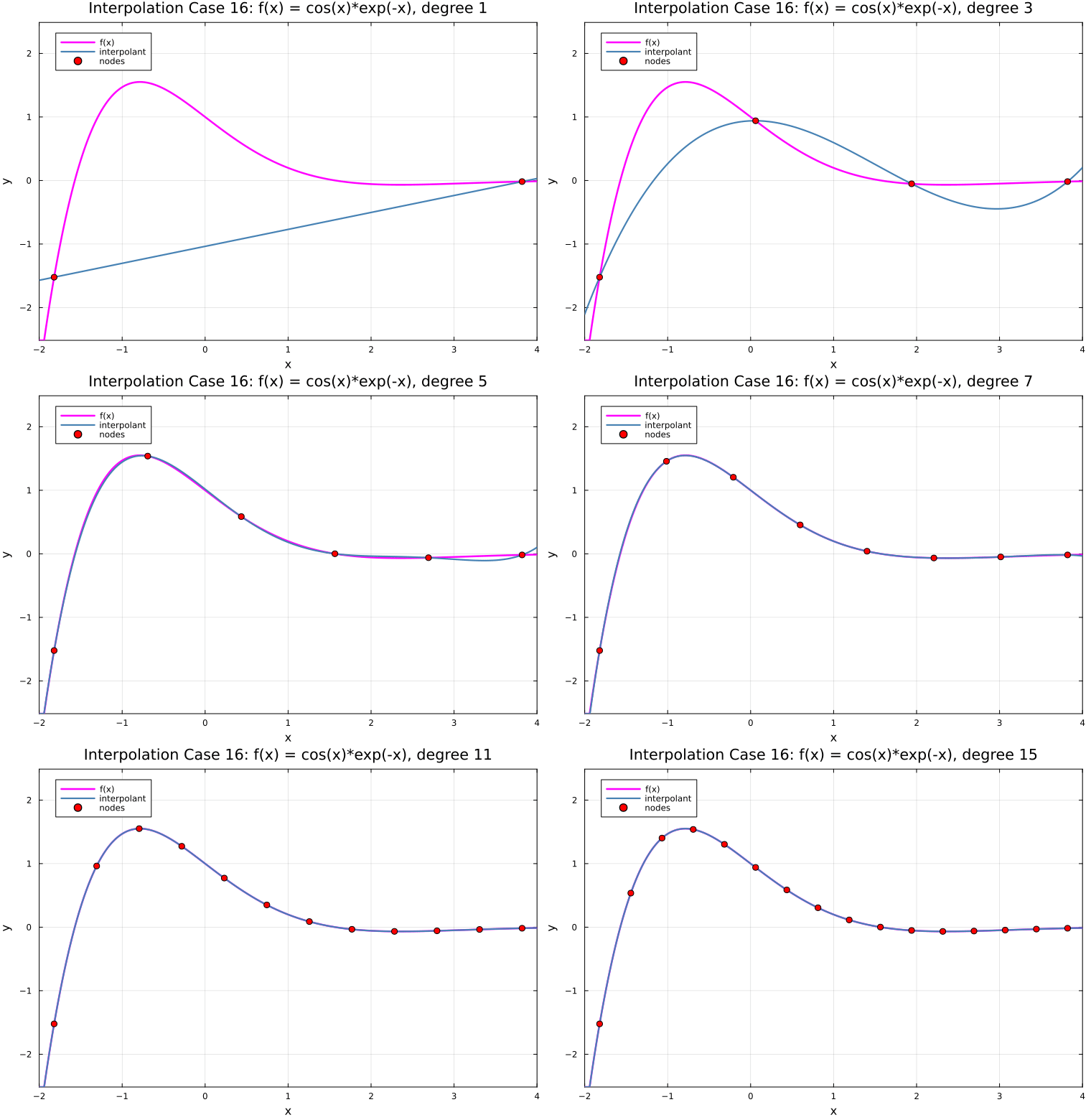
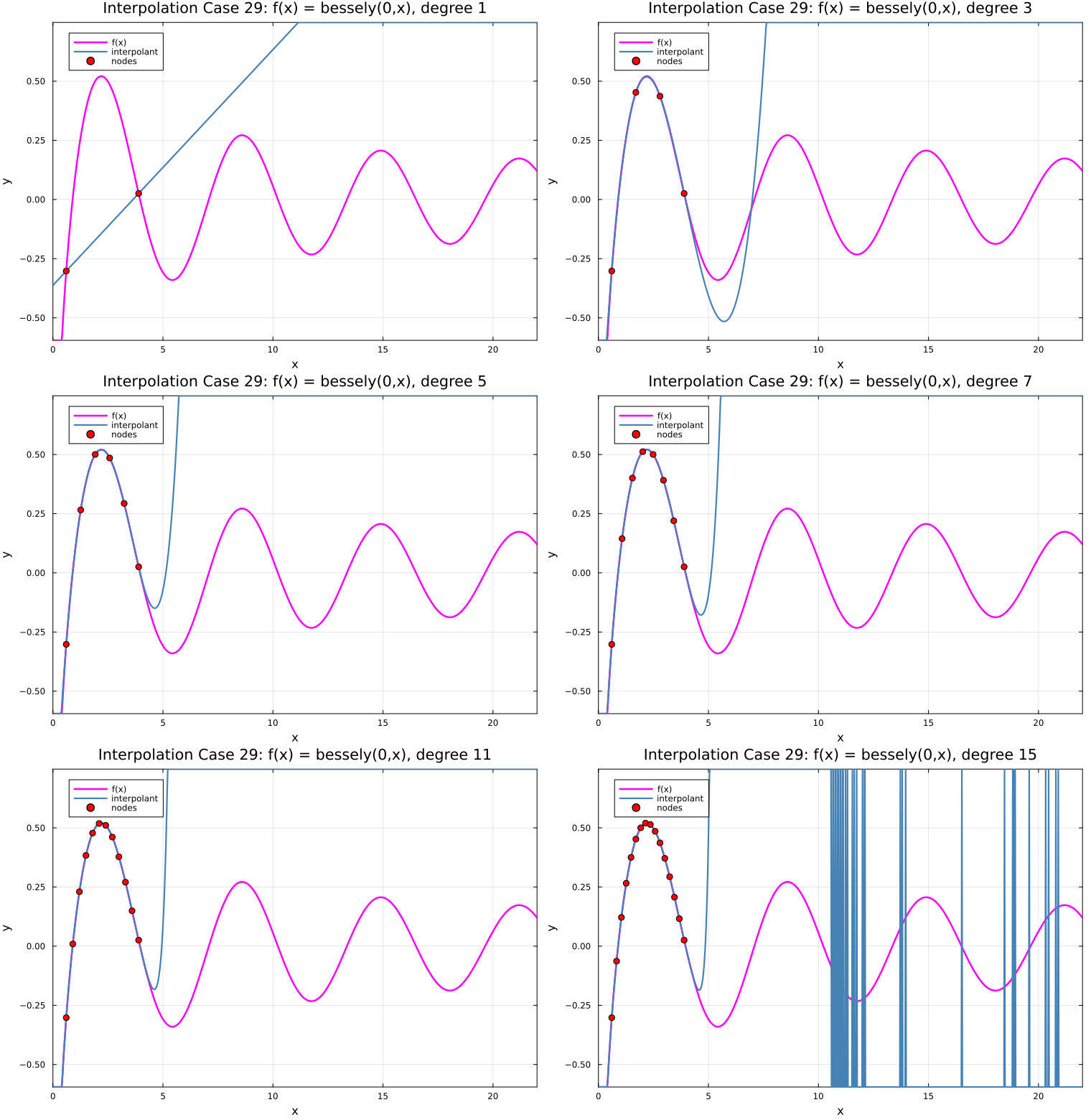
The 29 animations below follow the legacy Mathews case ordering and use equally spaced nodes on the listed node intervals.
Animations
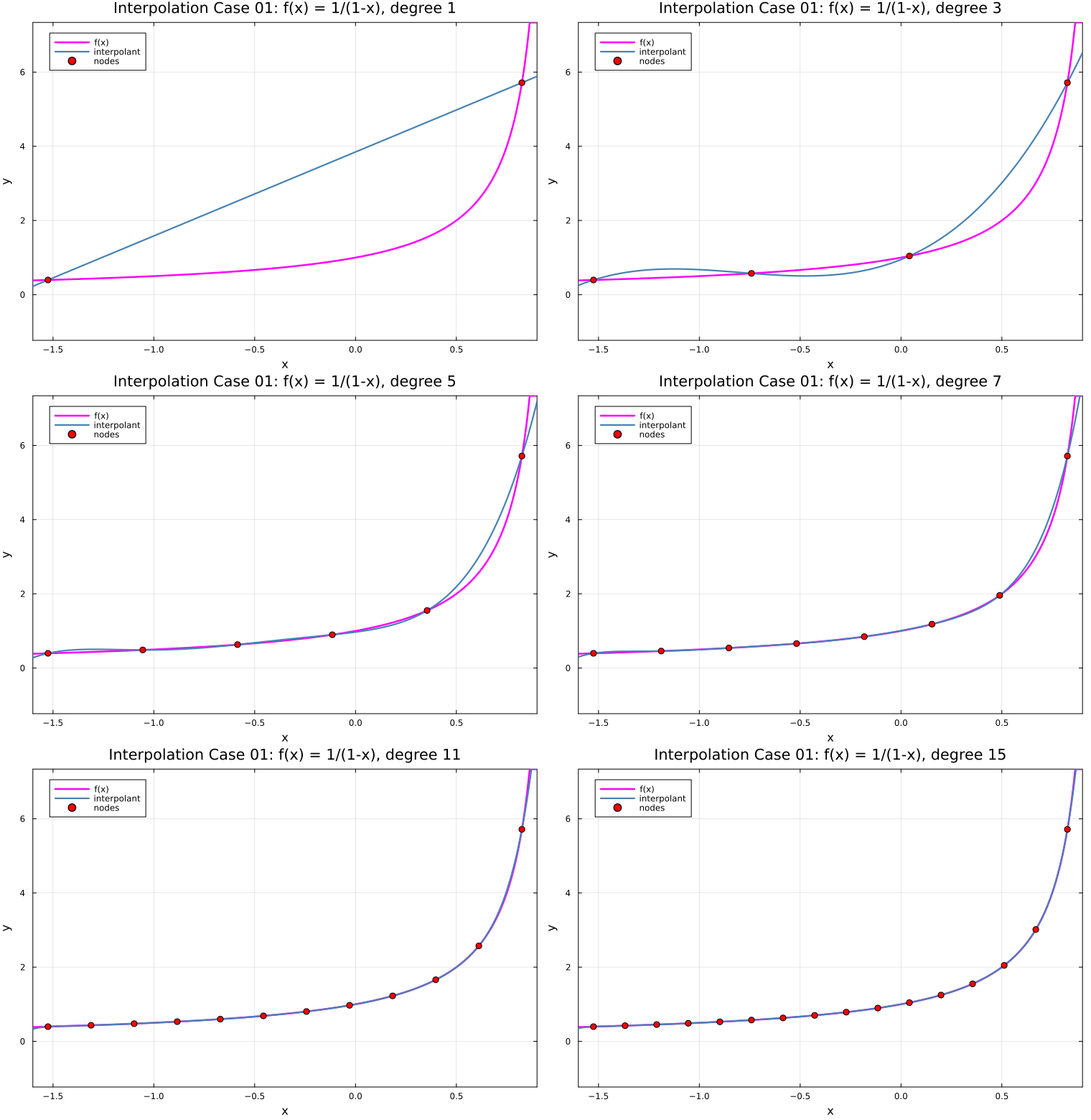
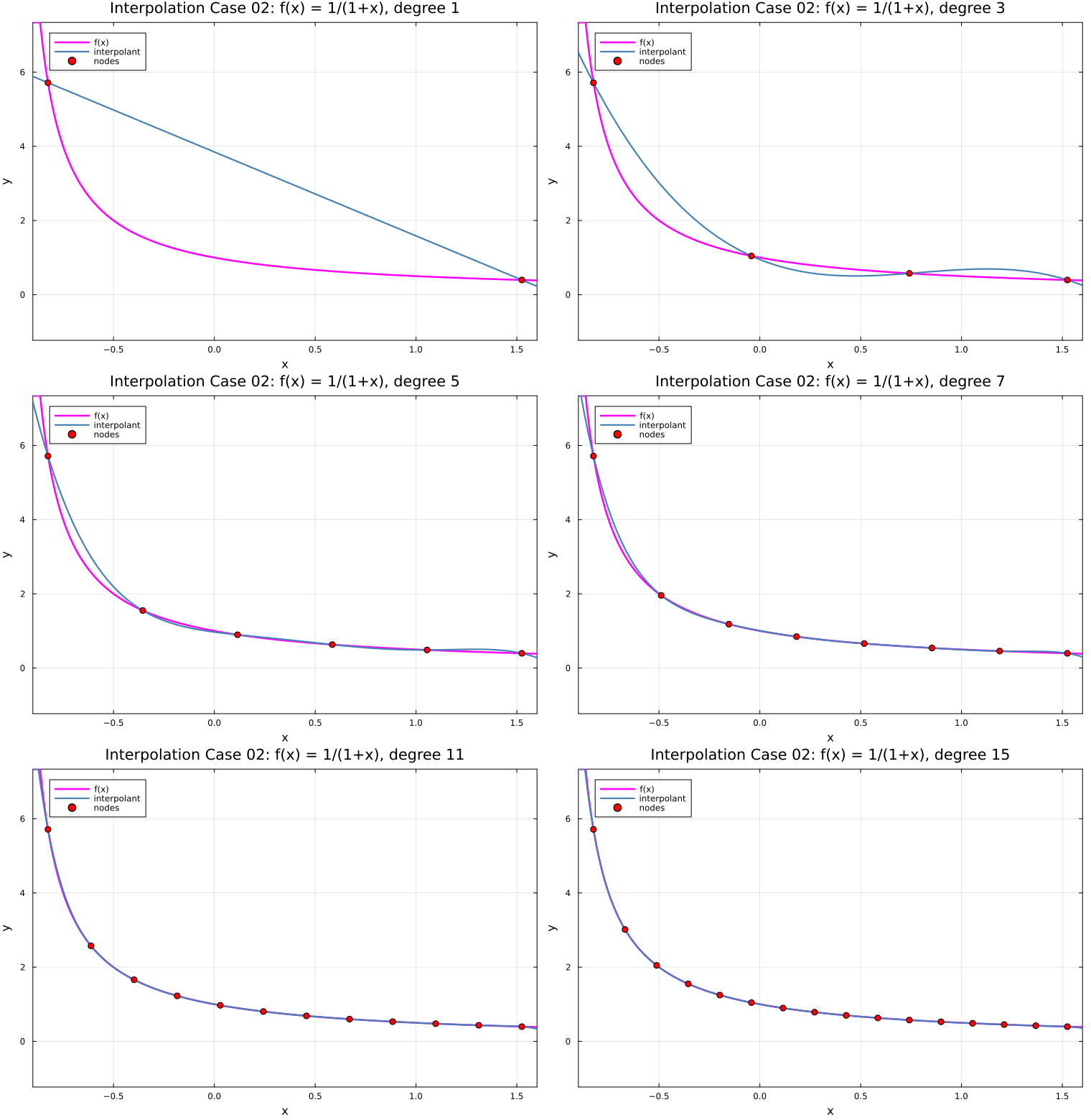
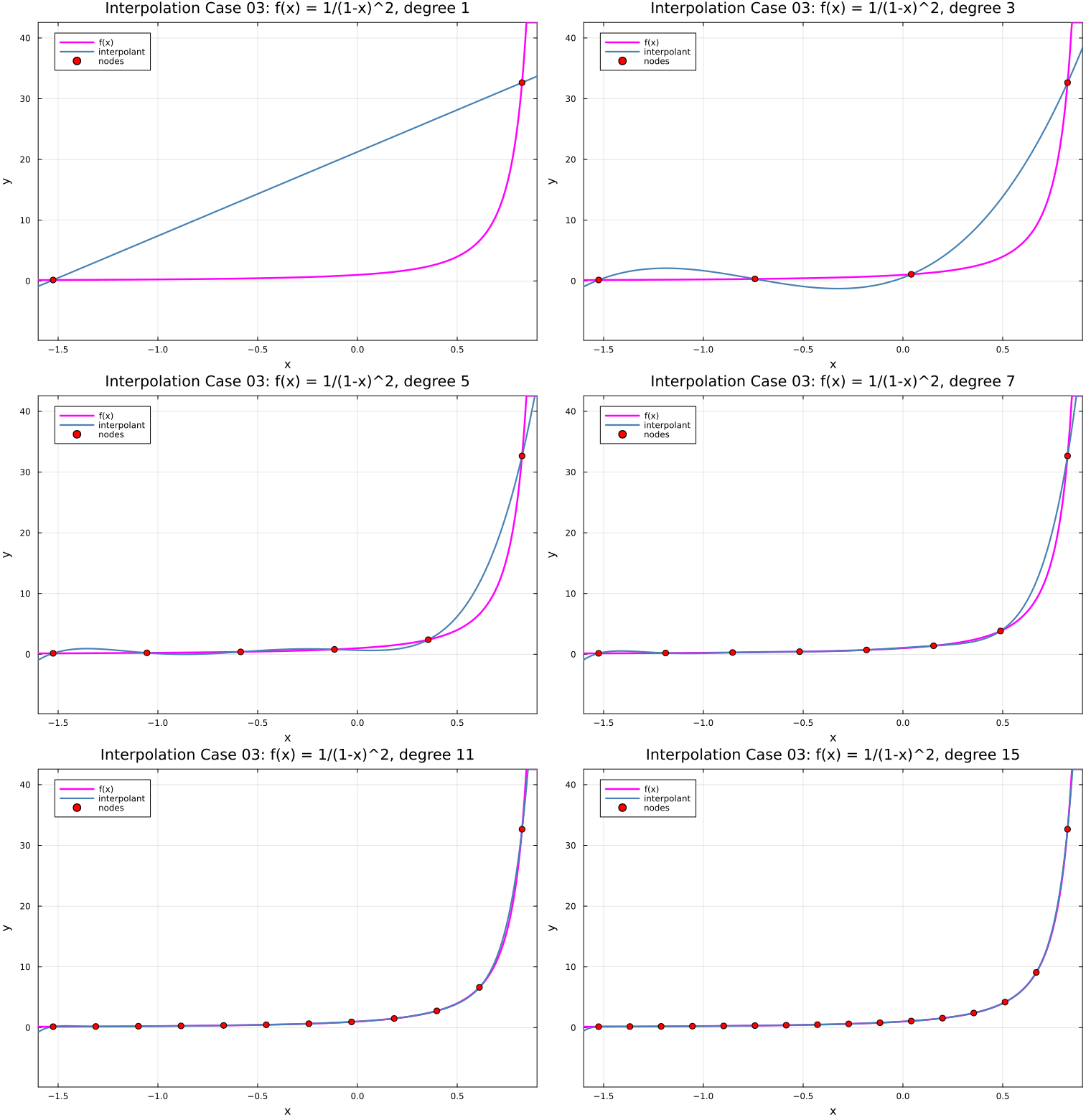
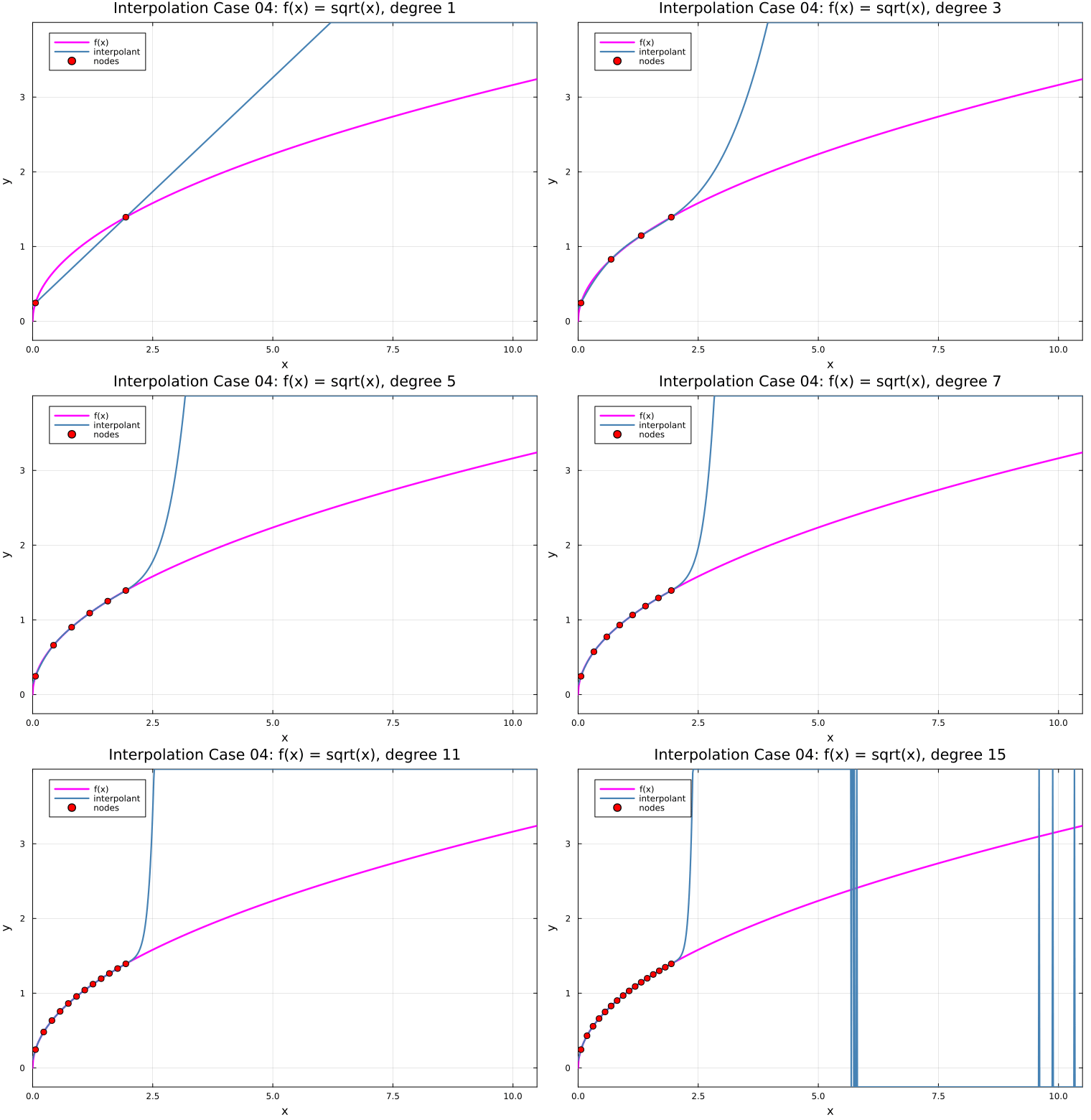
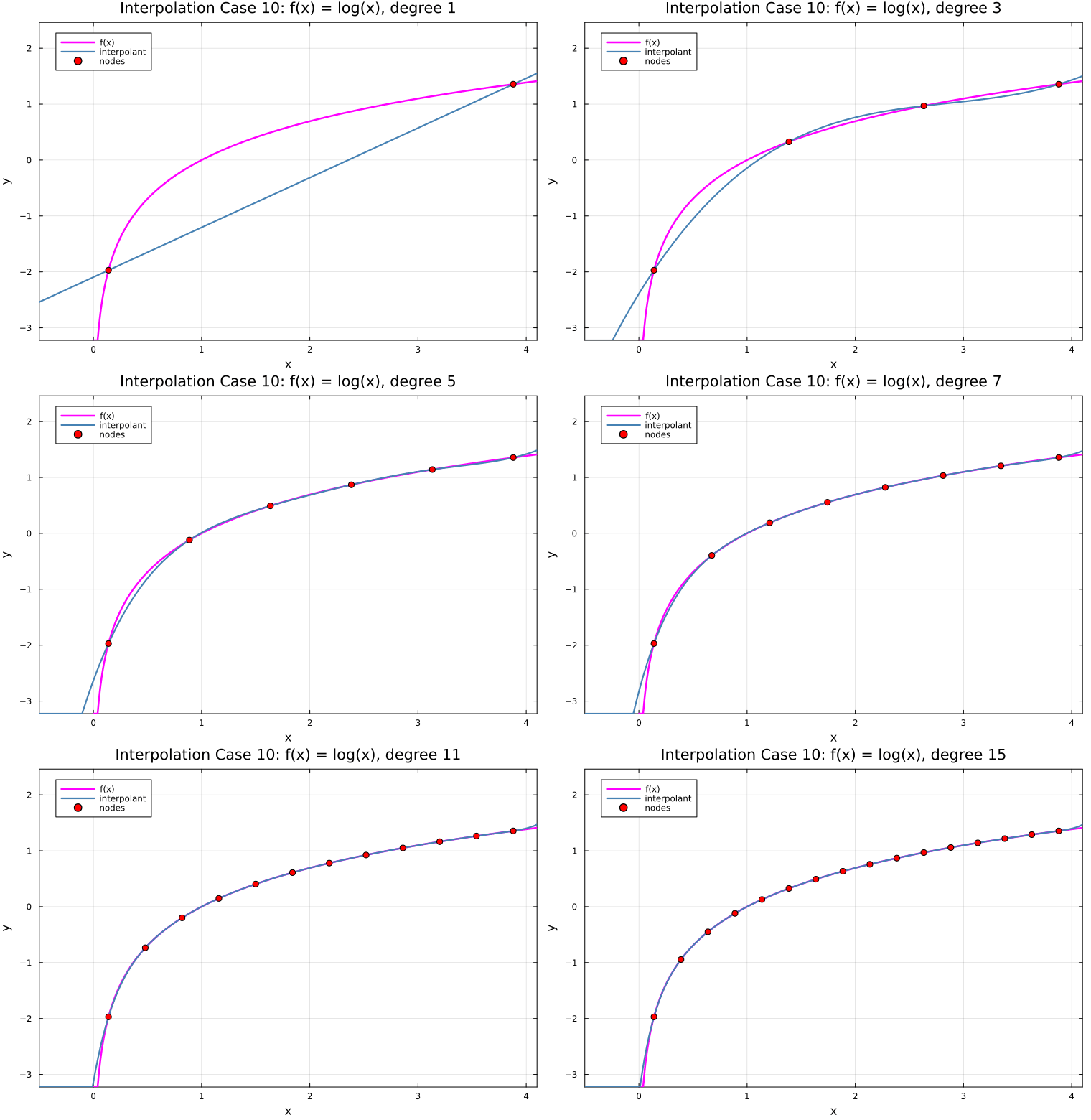
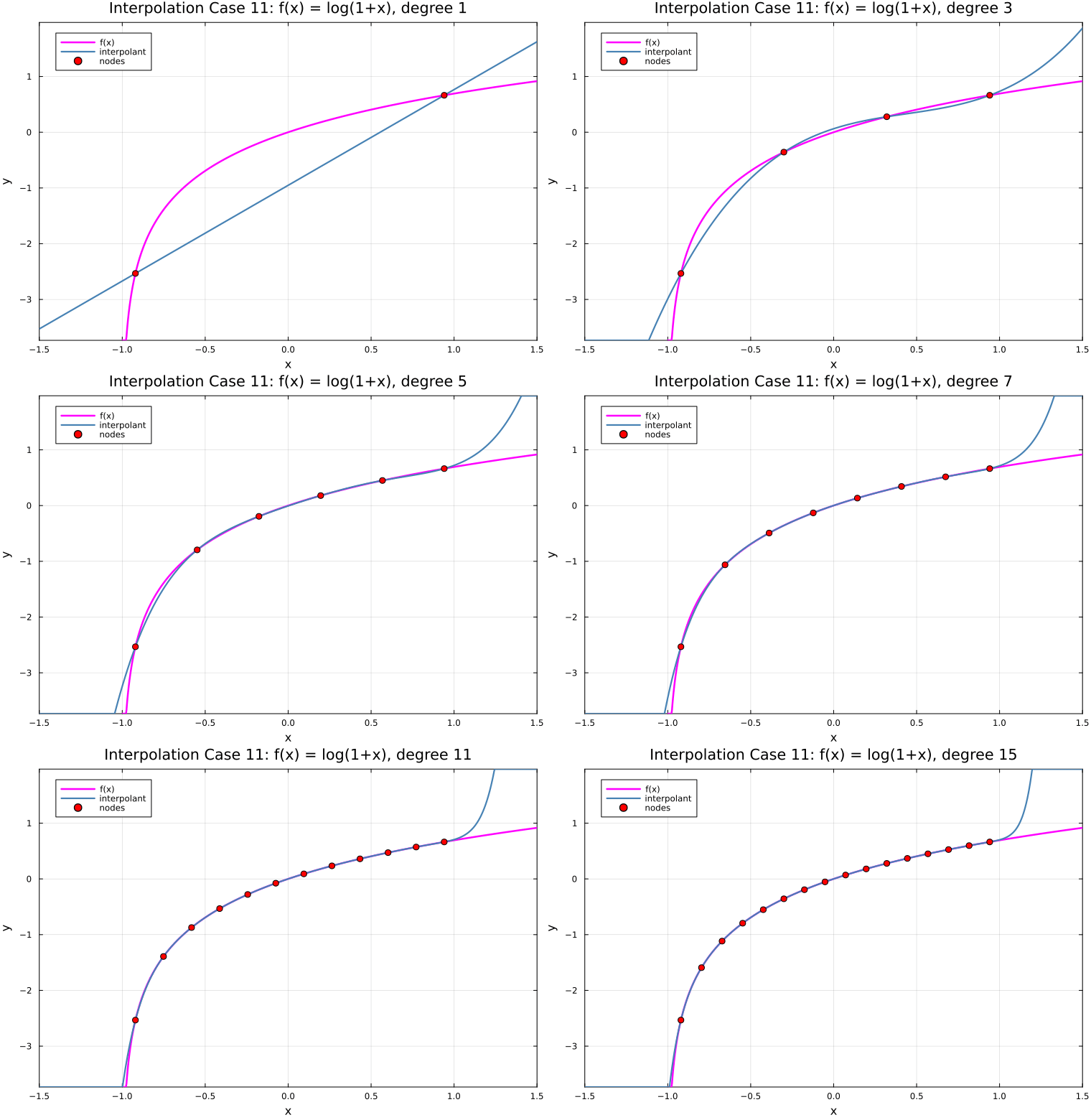
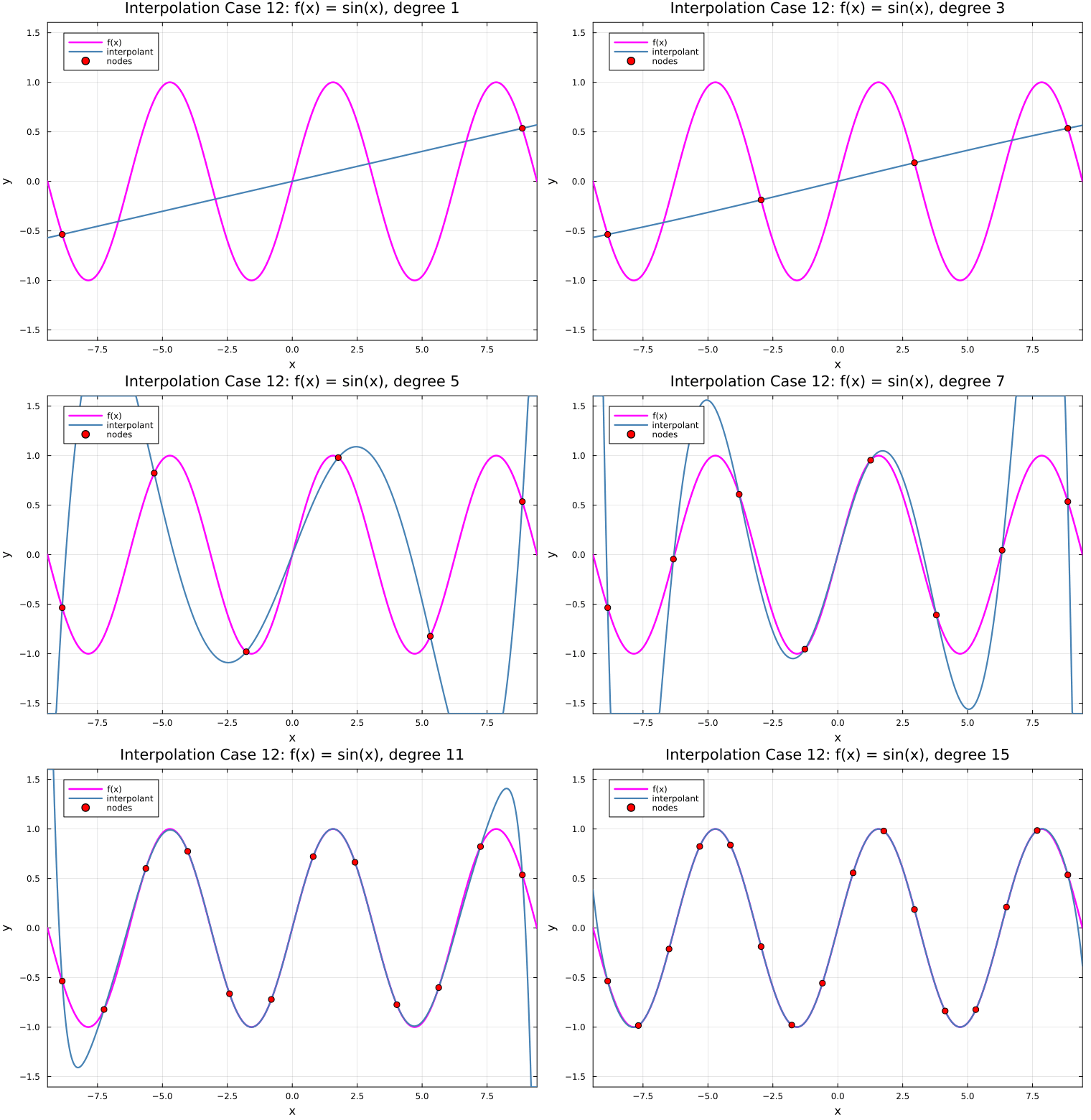
Each animation increases polynomial degree one step at a time for a fixed function and interval.
Case 01
Case 02
Case 03
Case 04
Case 05
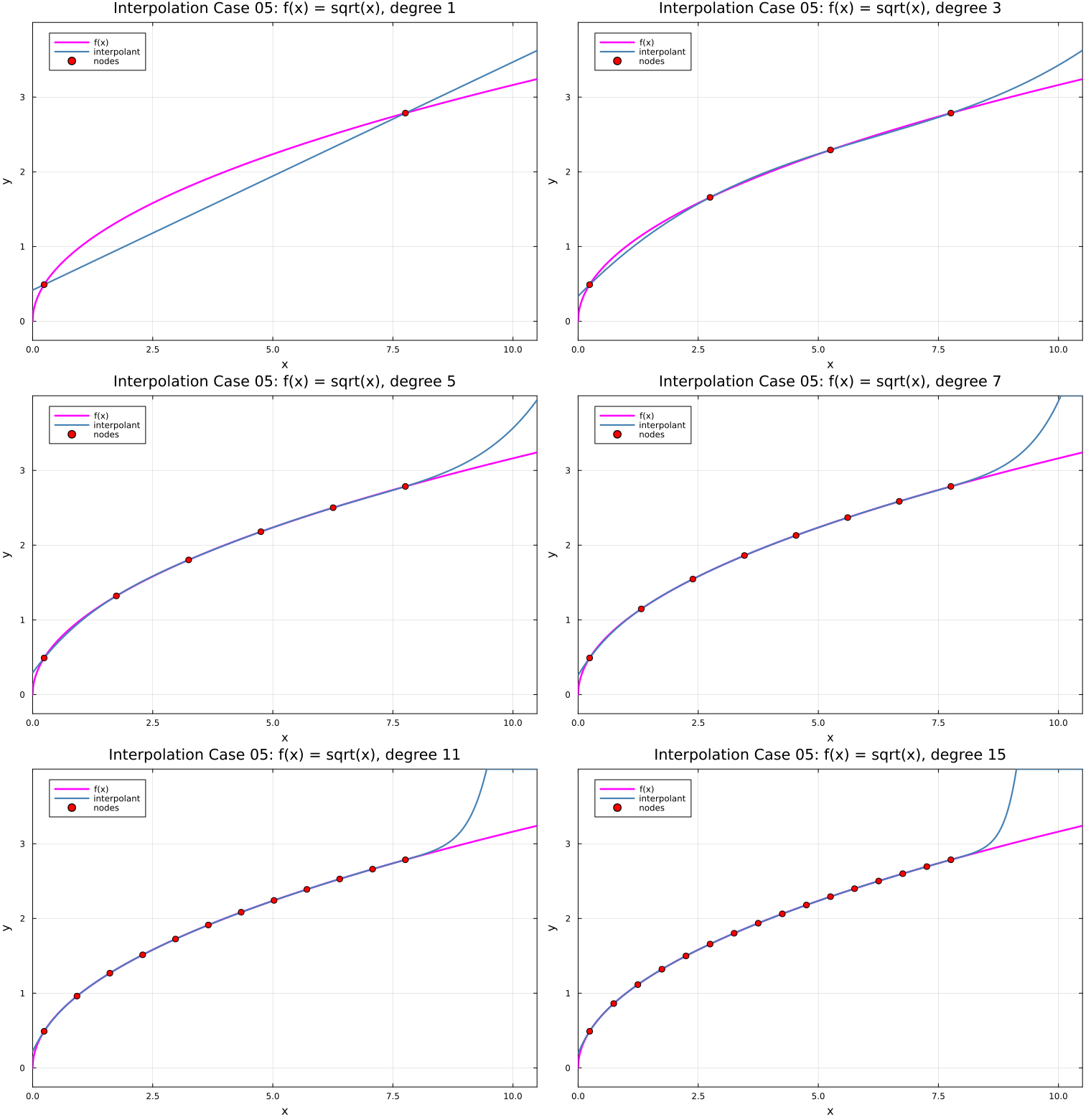
Case 06
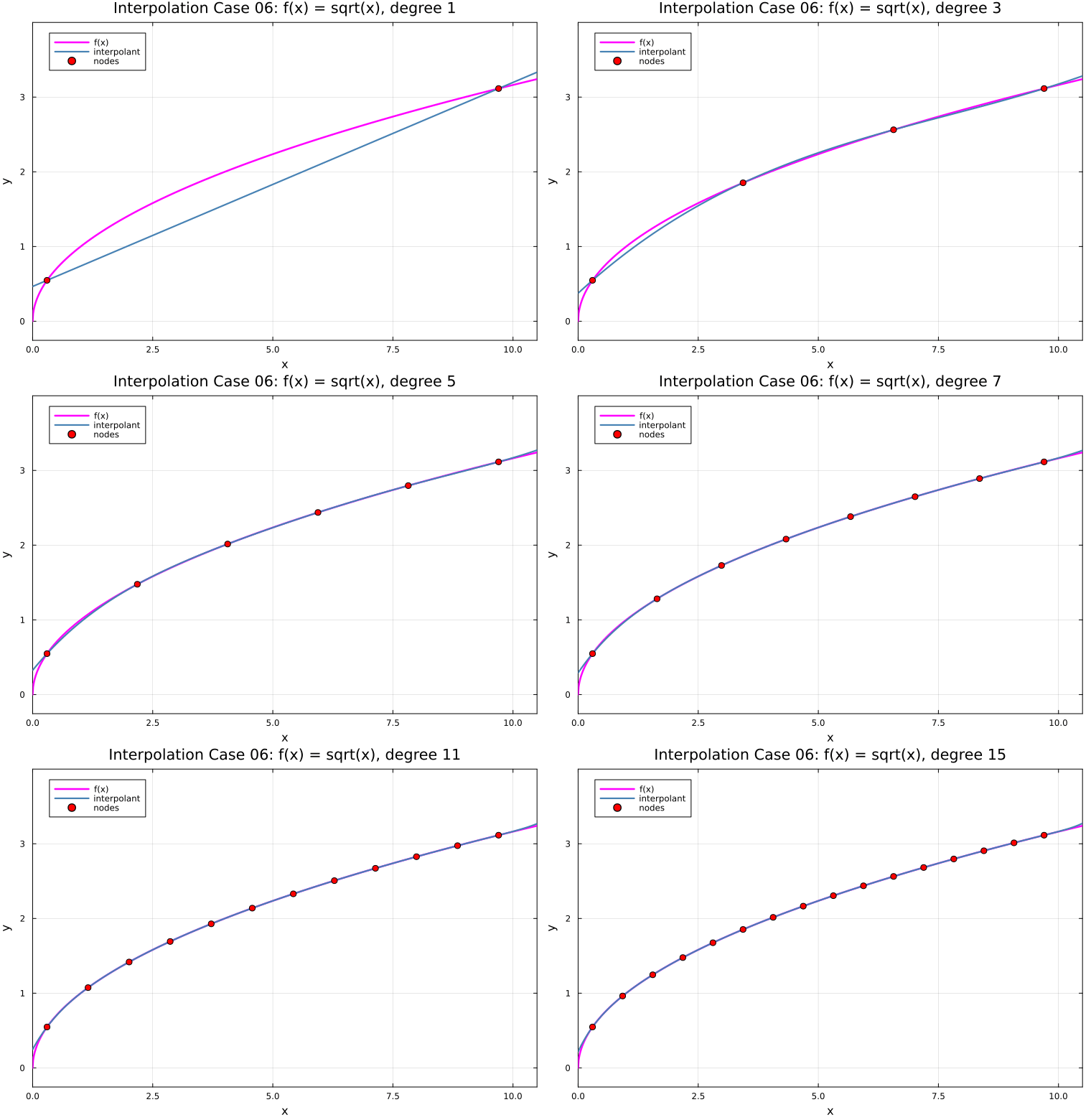
Case 07
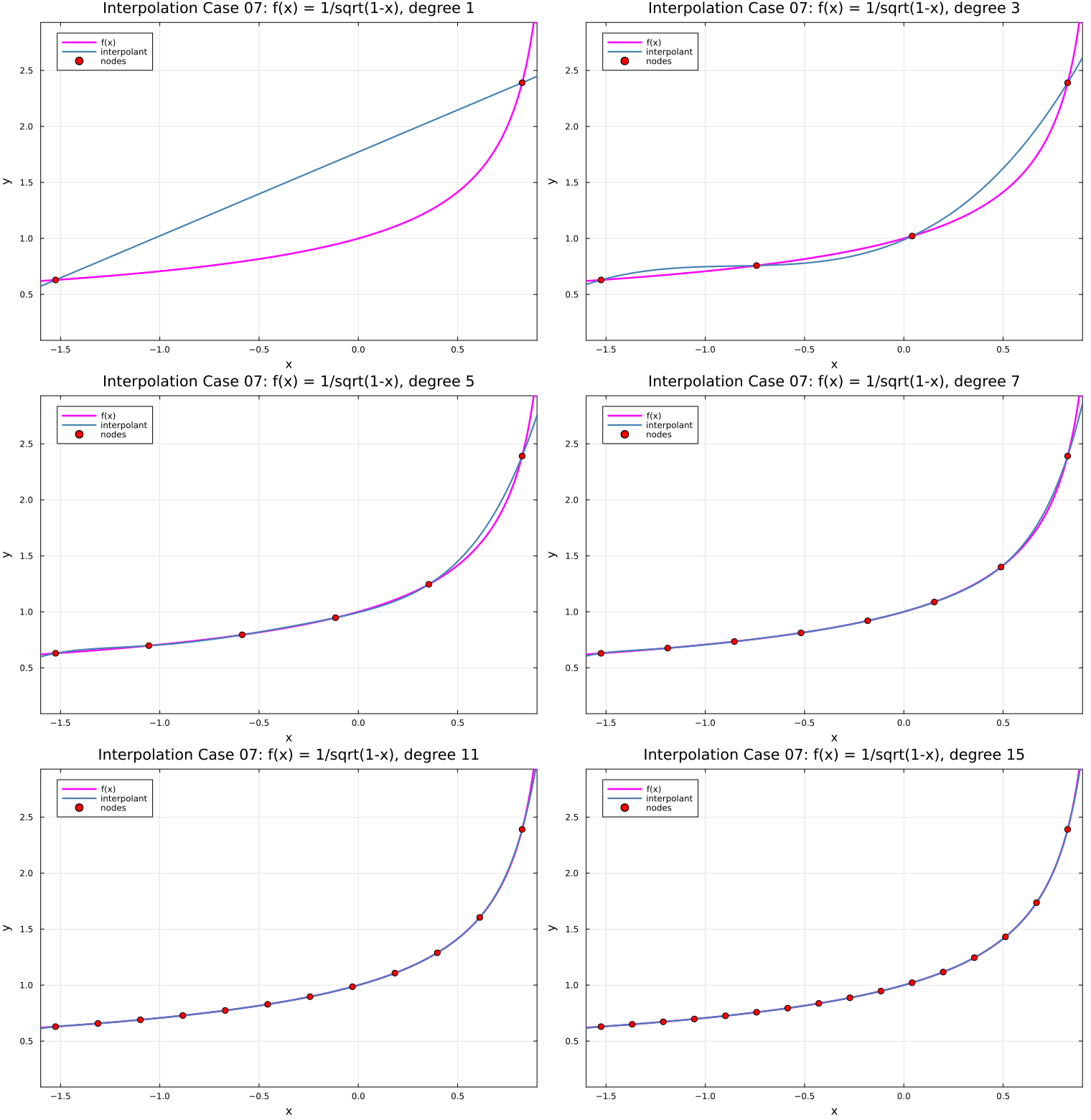
Case 08
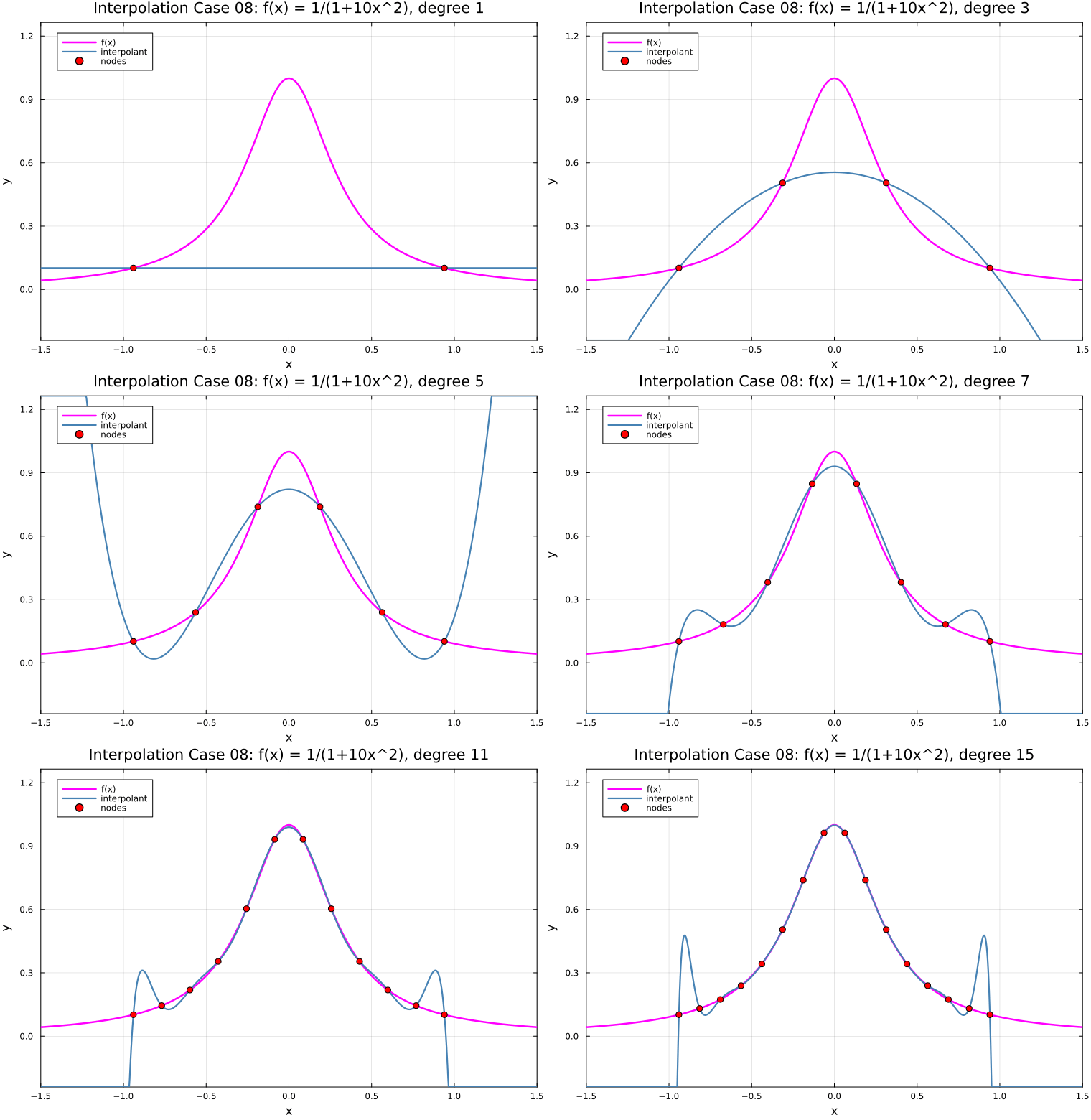
Case 09
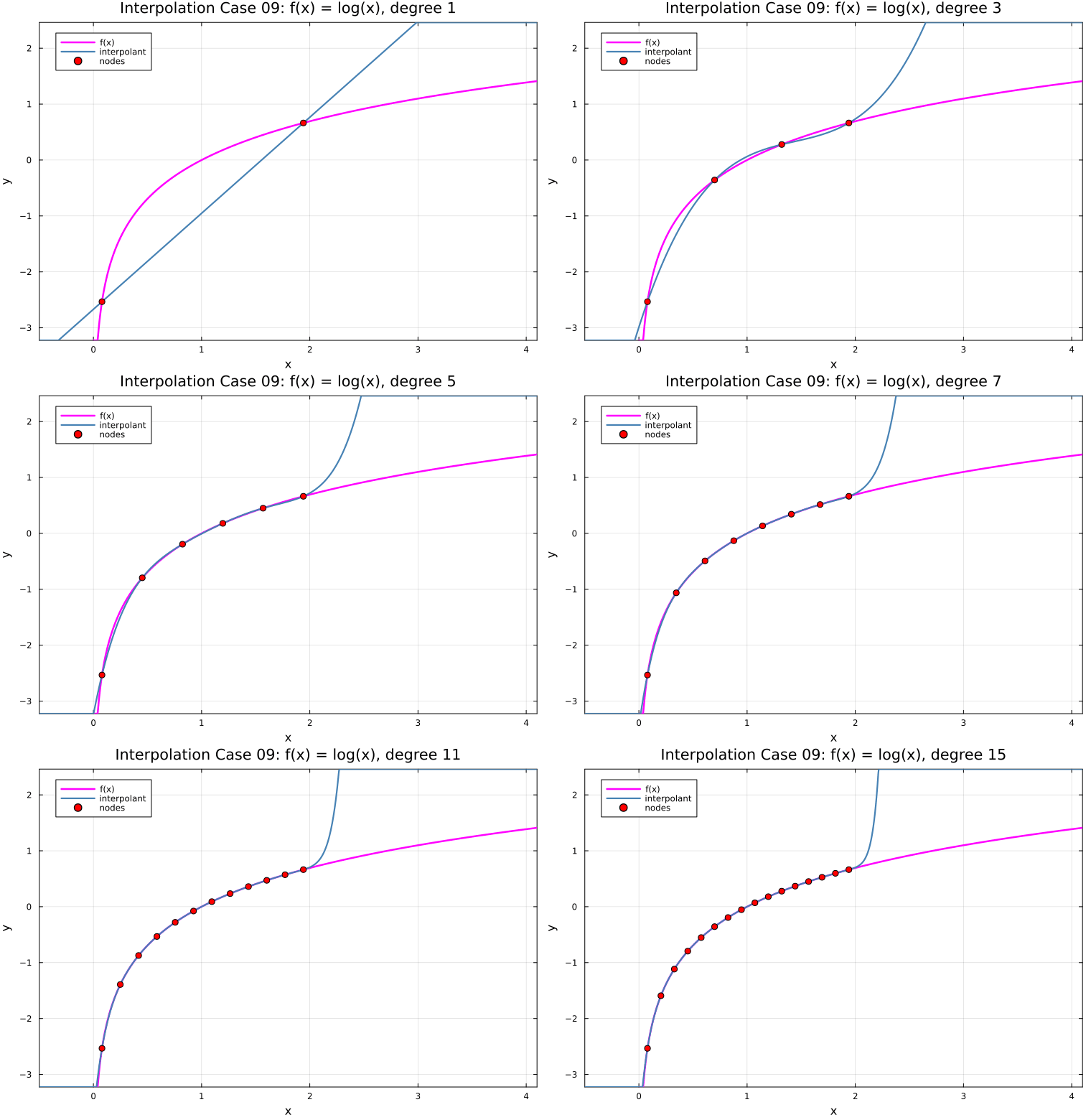
Case 10
Case 11
Case 12
Case 13
Case 14
Case 15
Case 16
Case 17
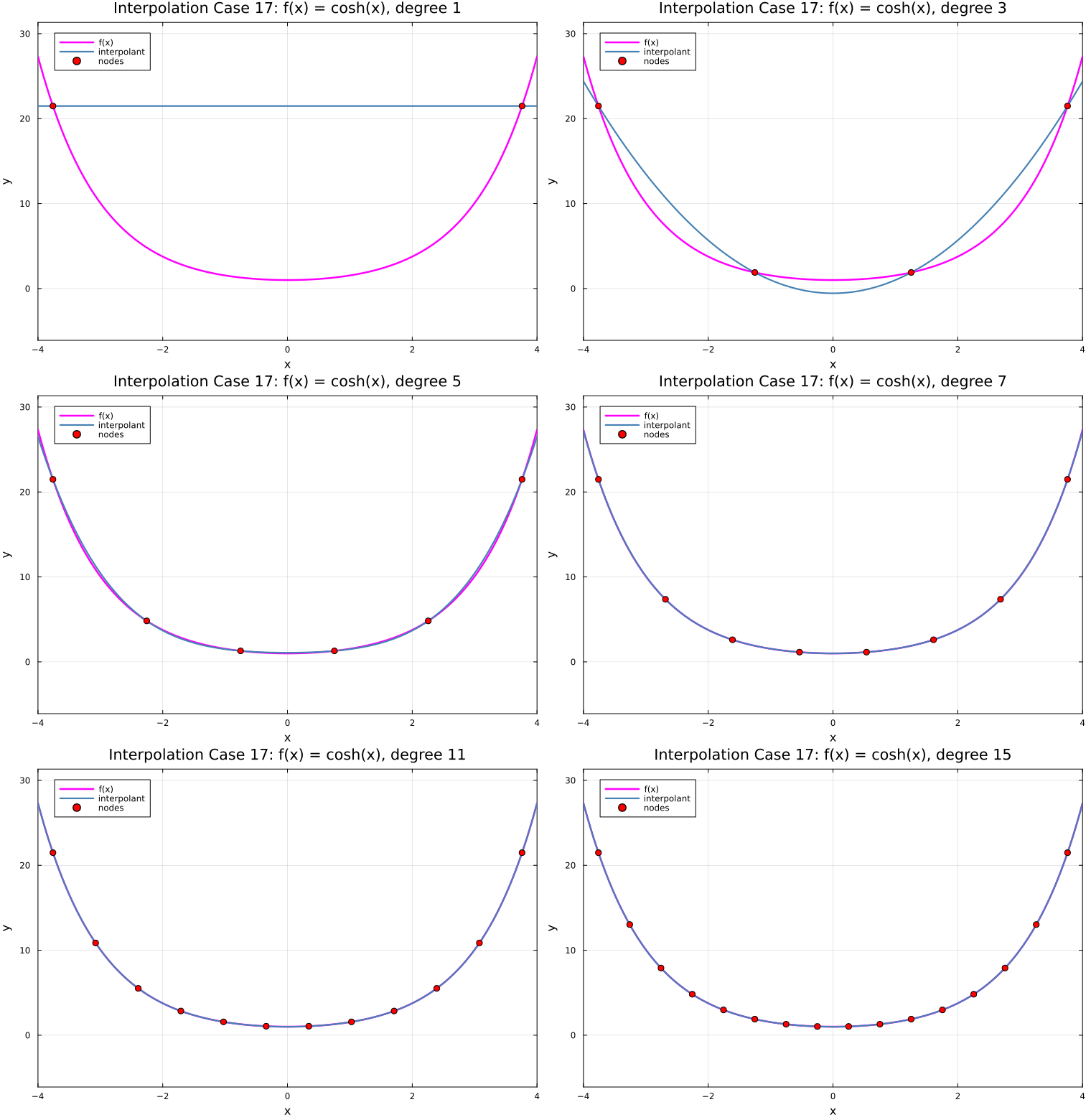
Case 18
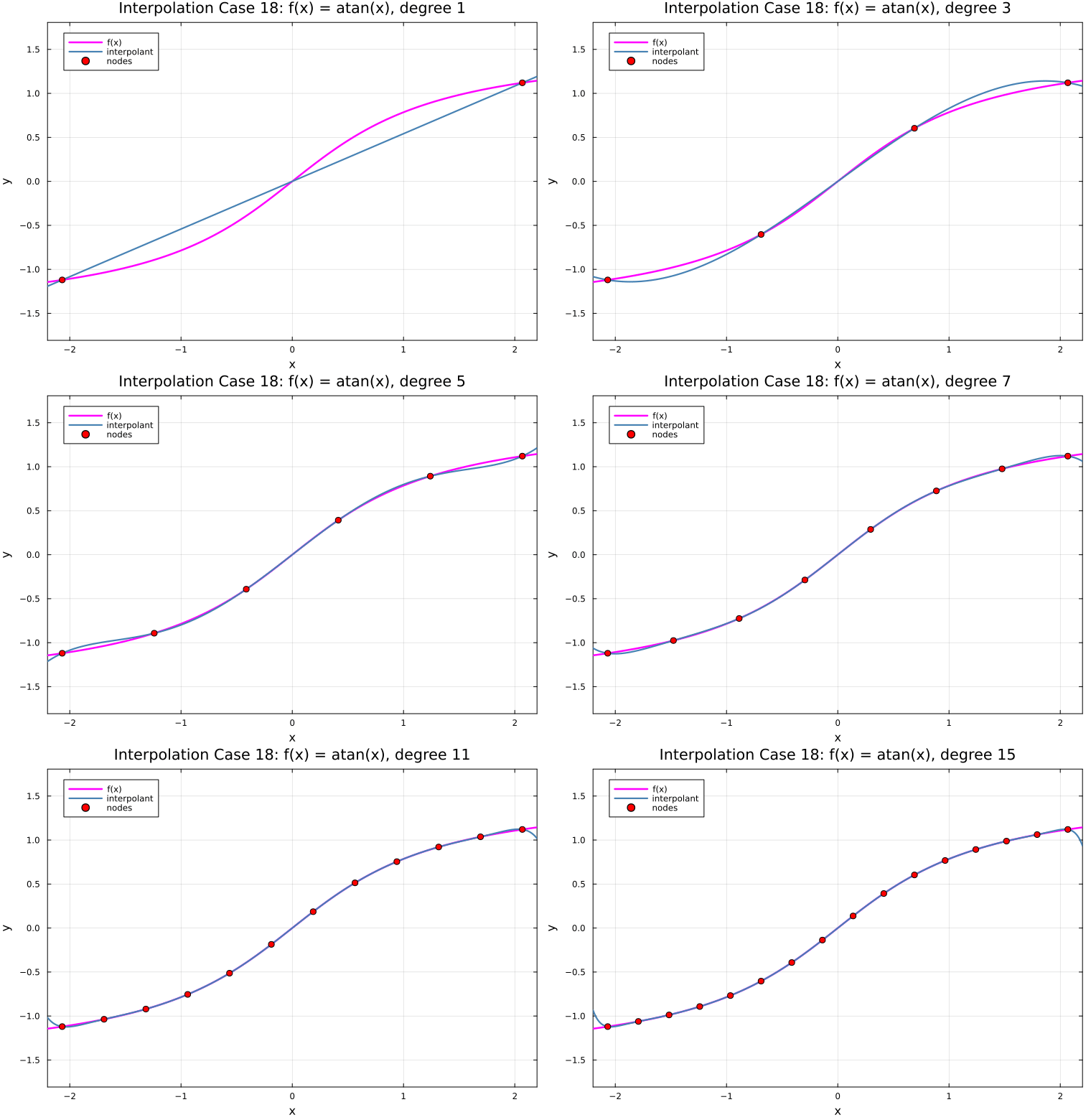
Case 19
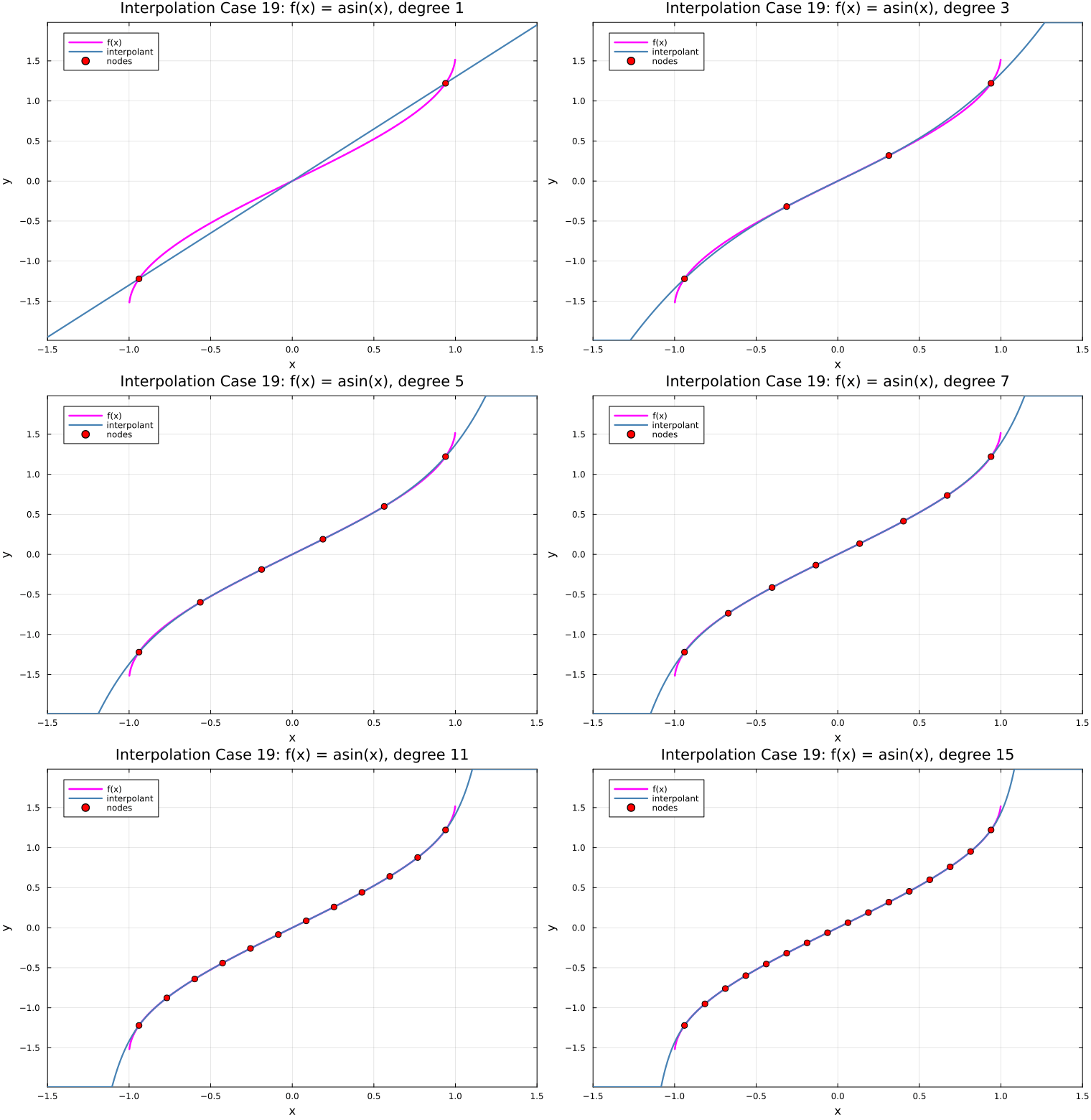
Case 20
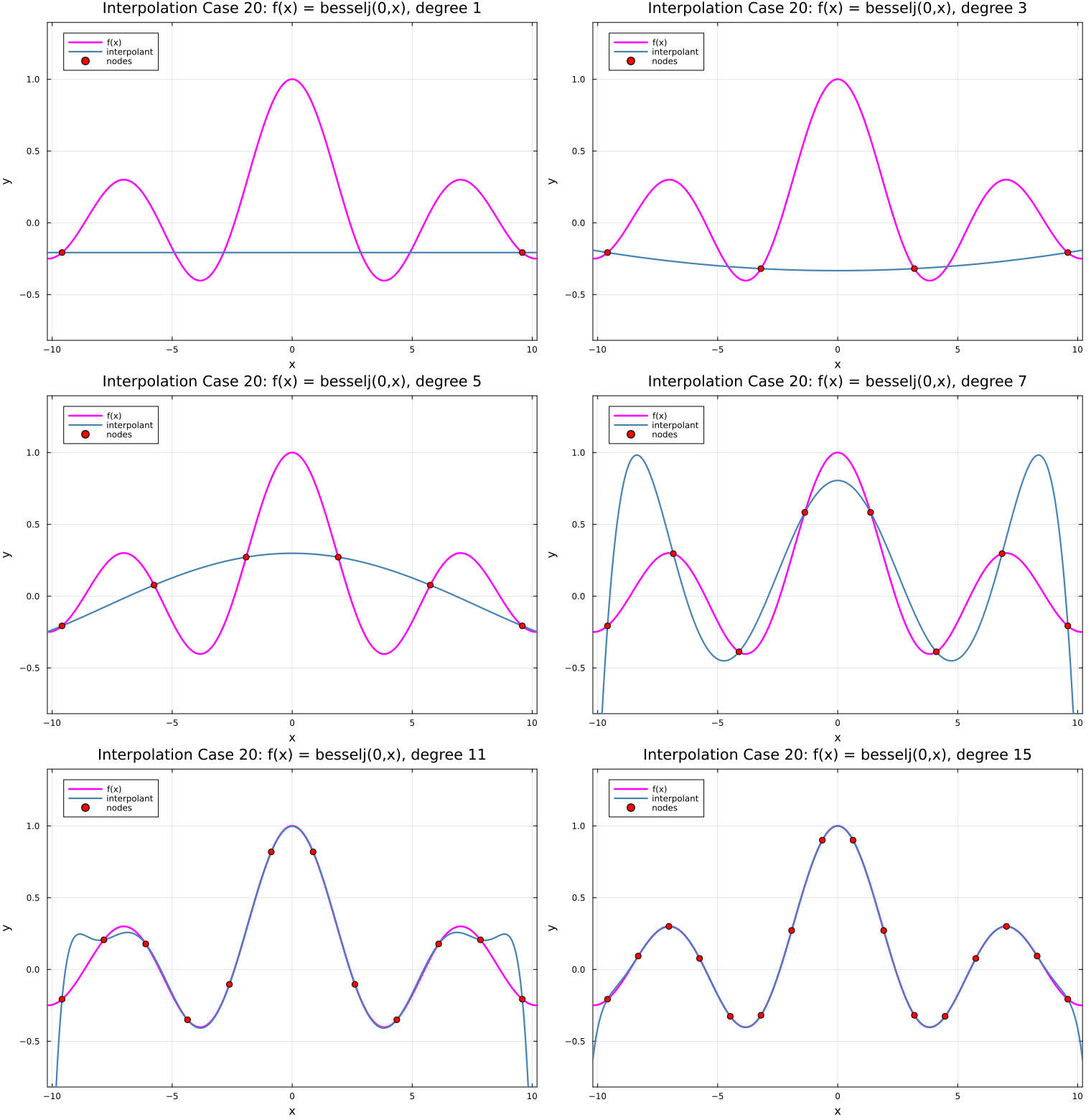
Case 21
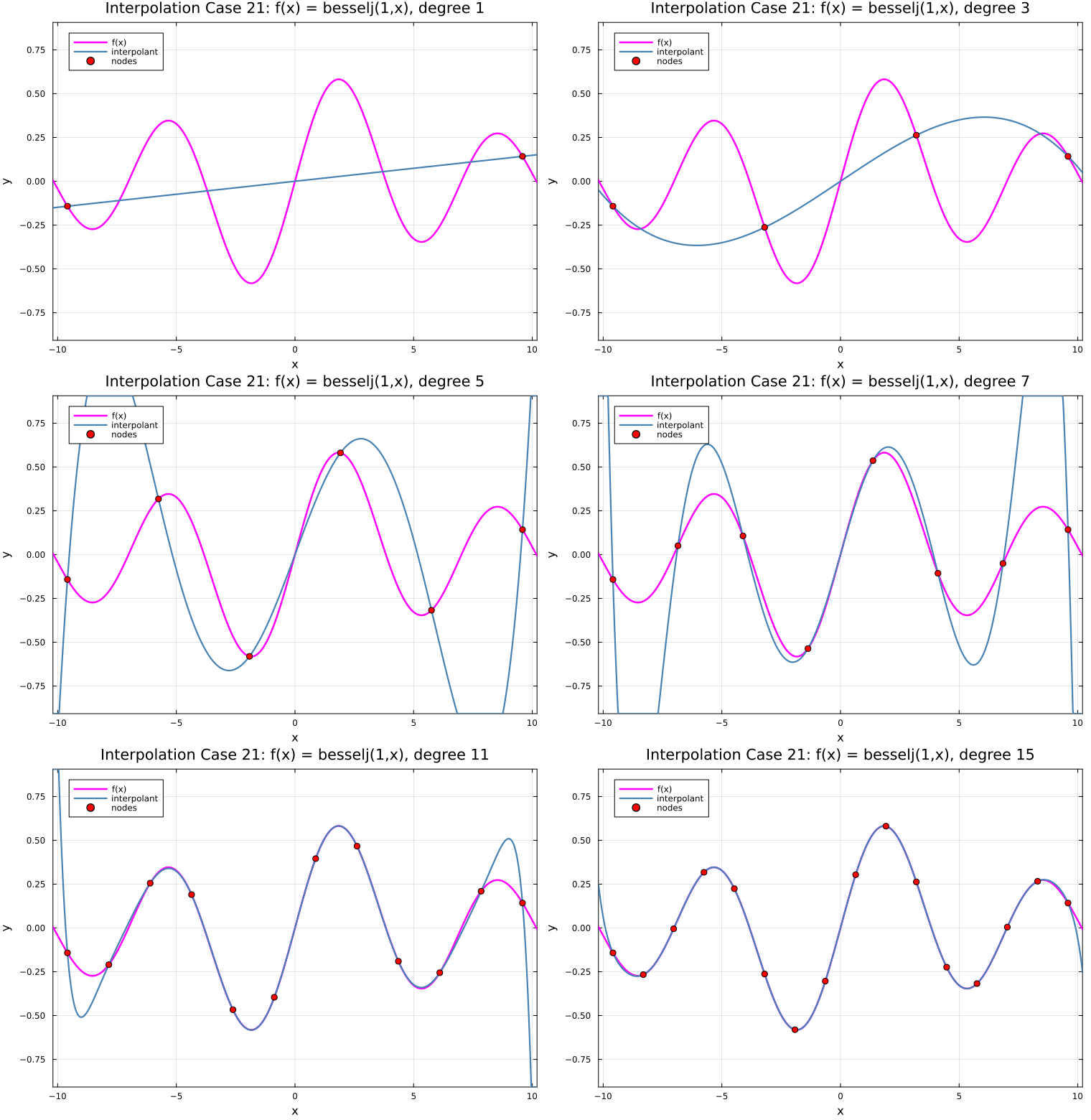
Case 22
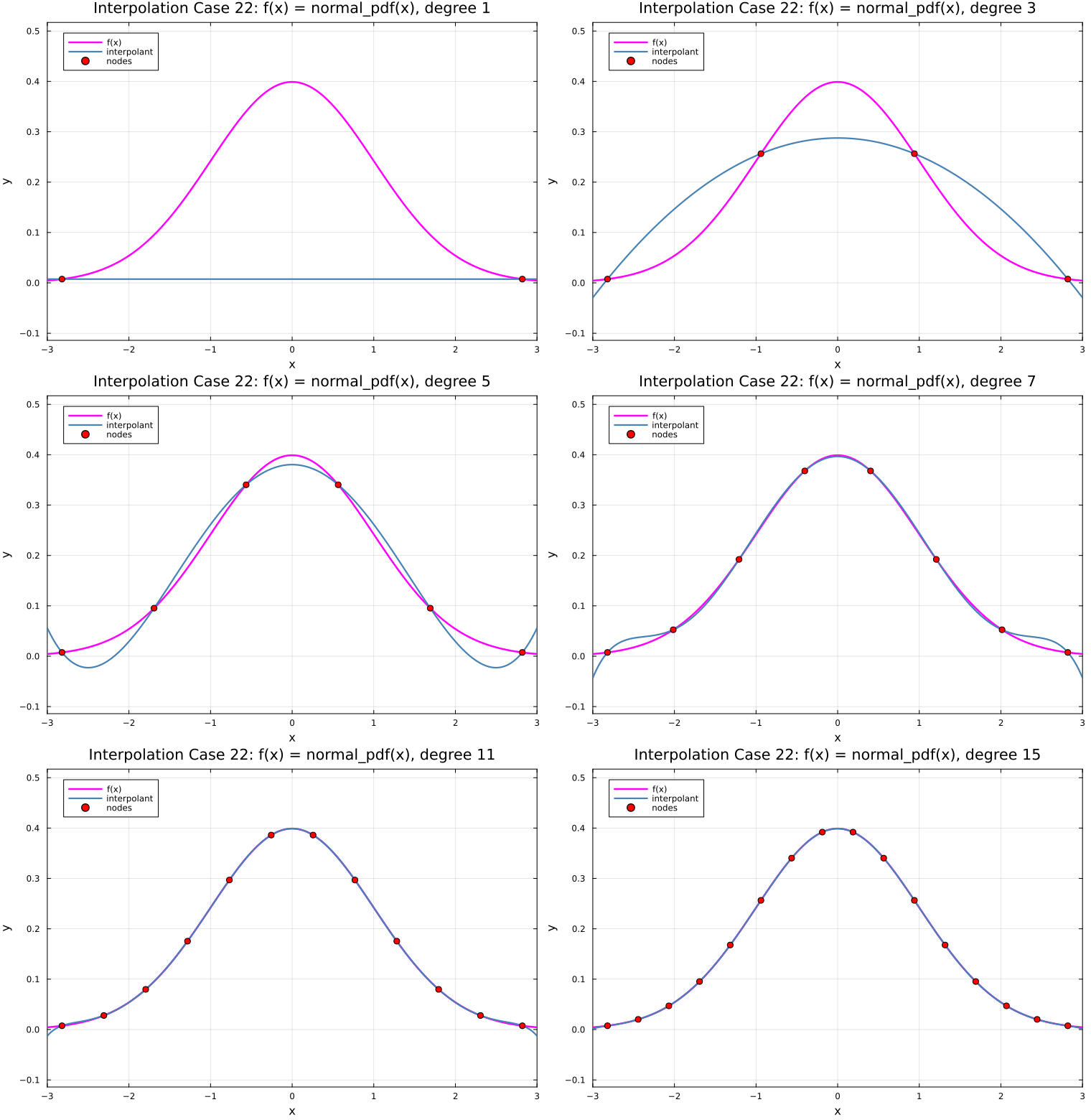
Case 23
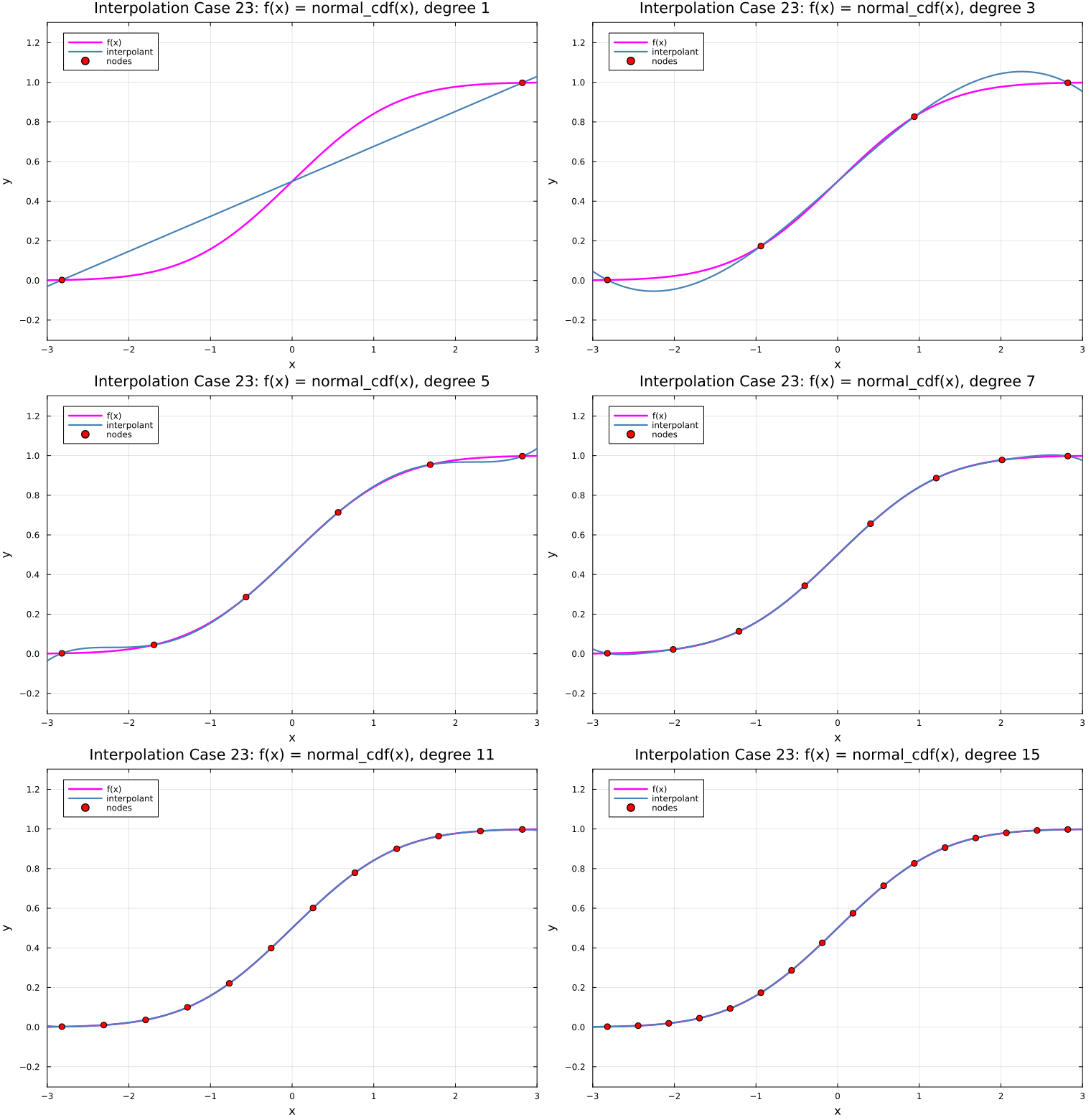
Case 24
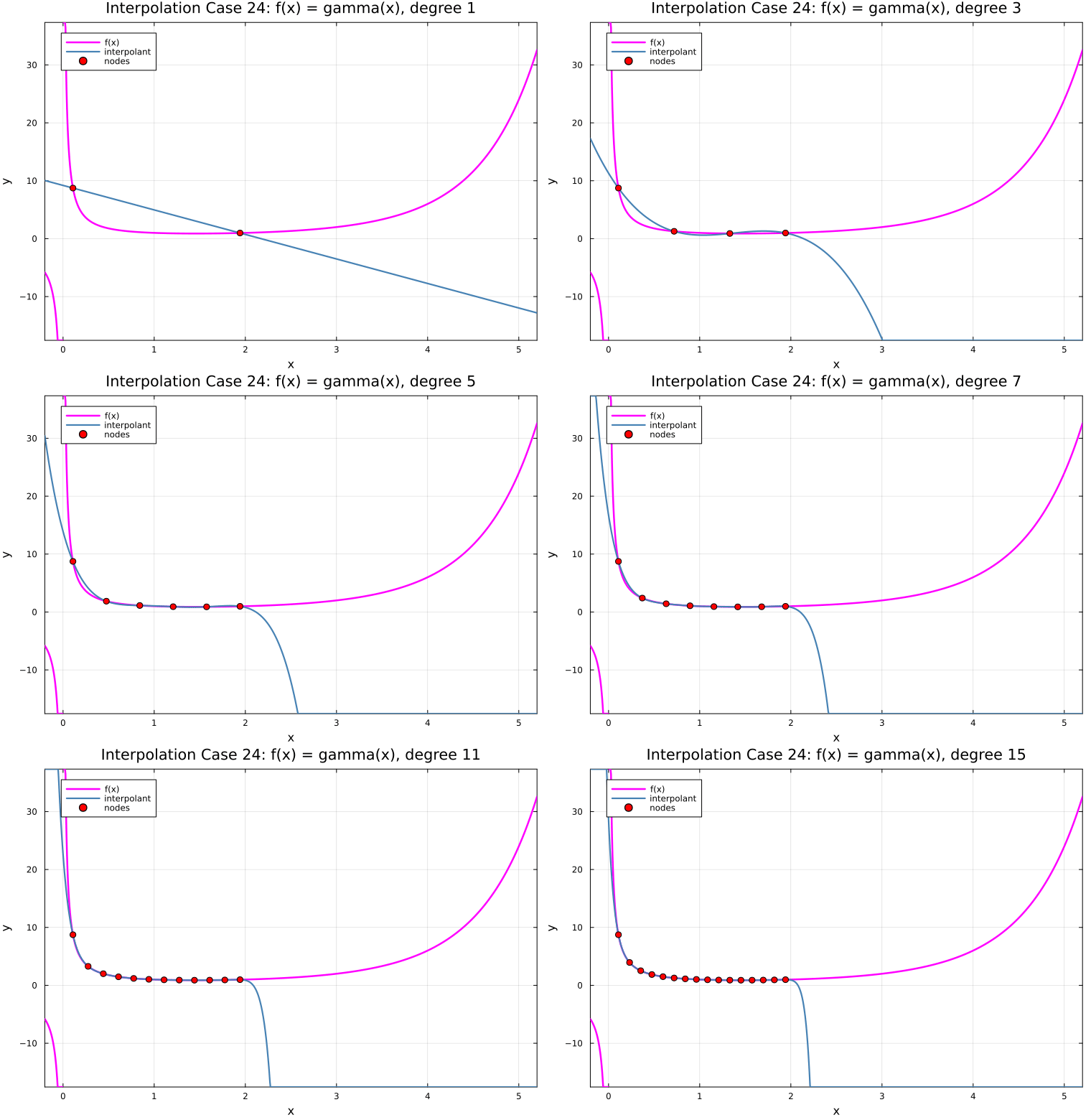
Case 25
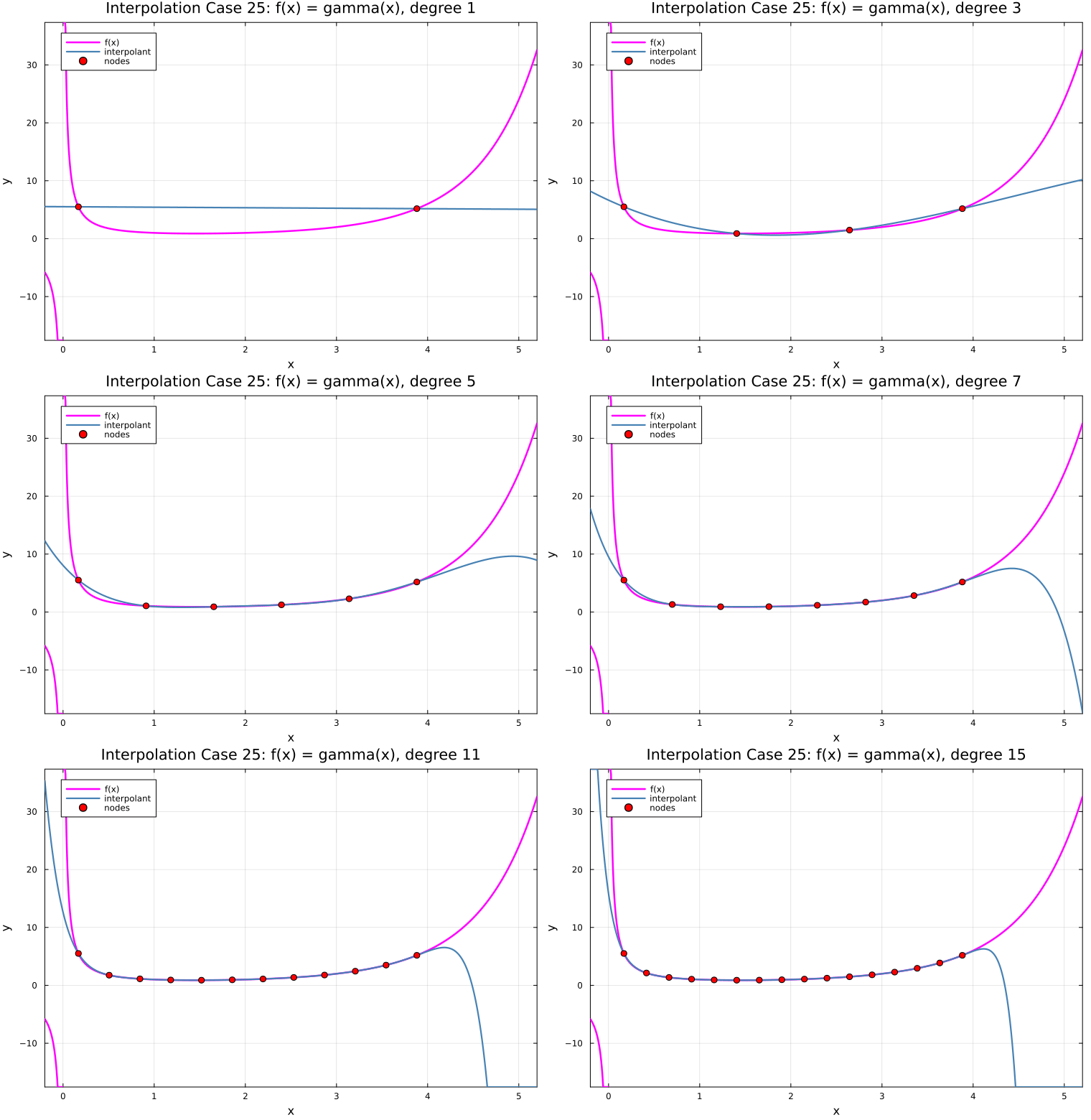
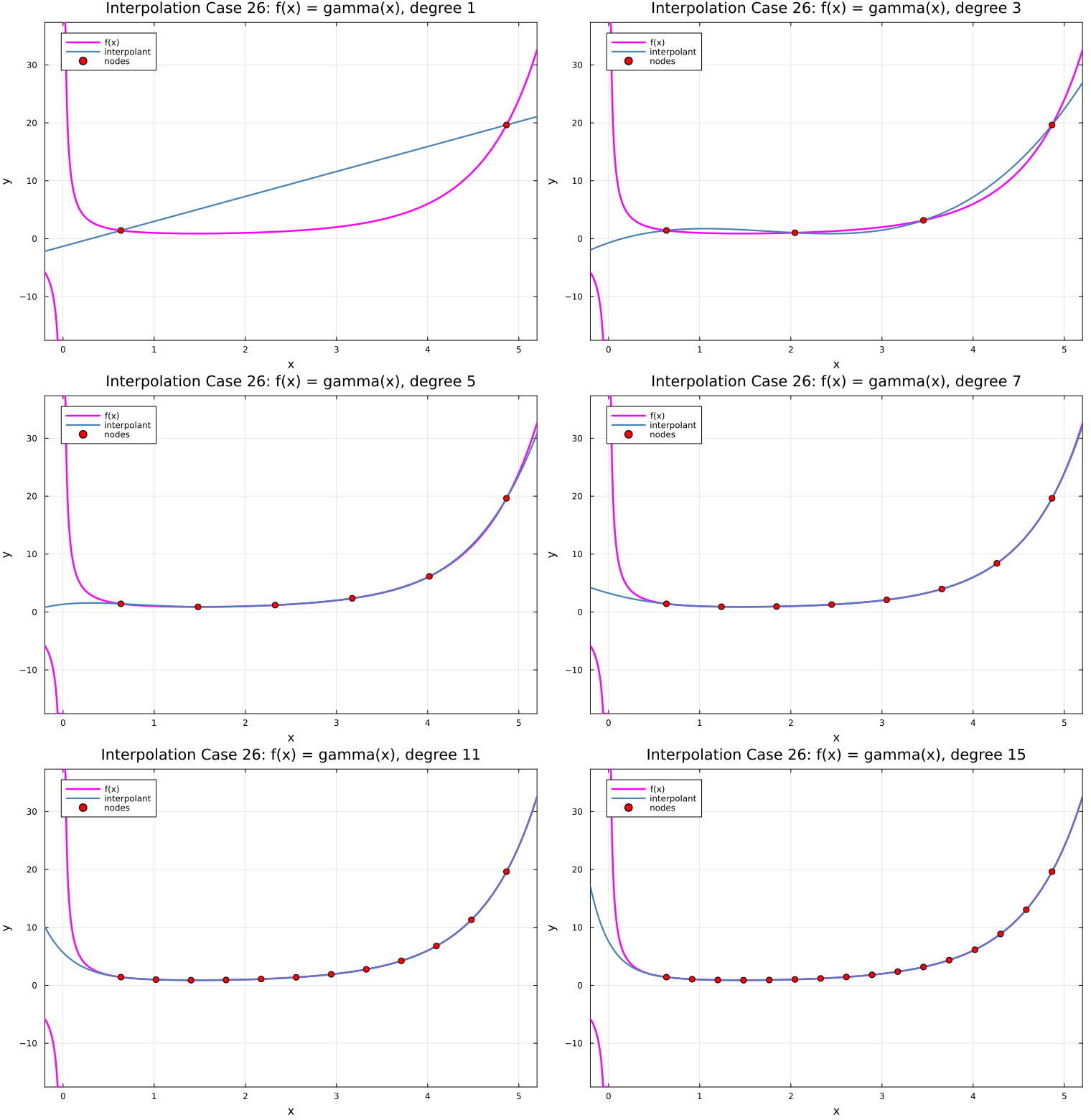
Case 26
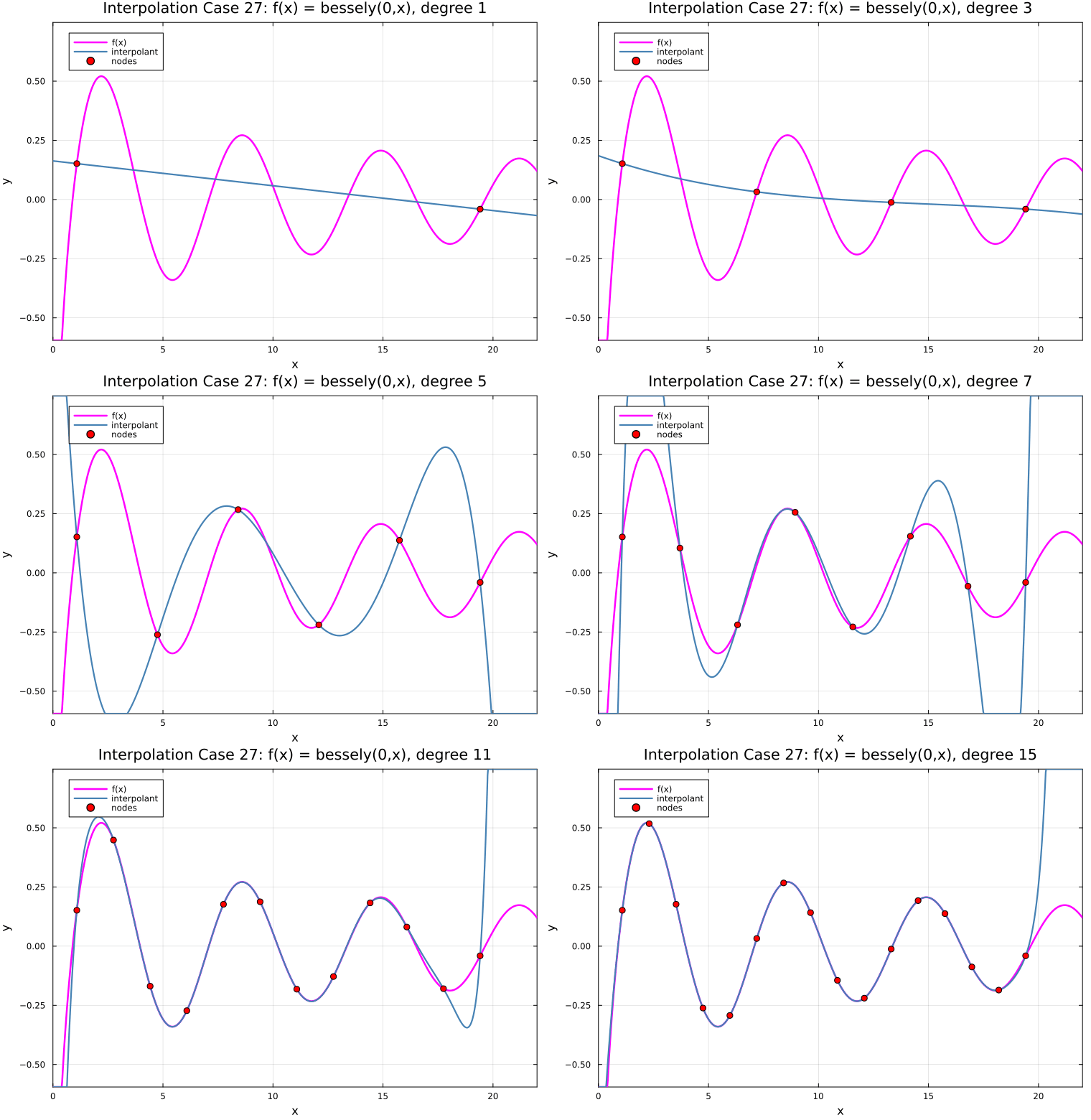
Case 27
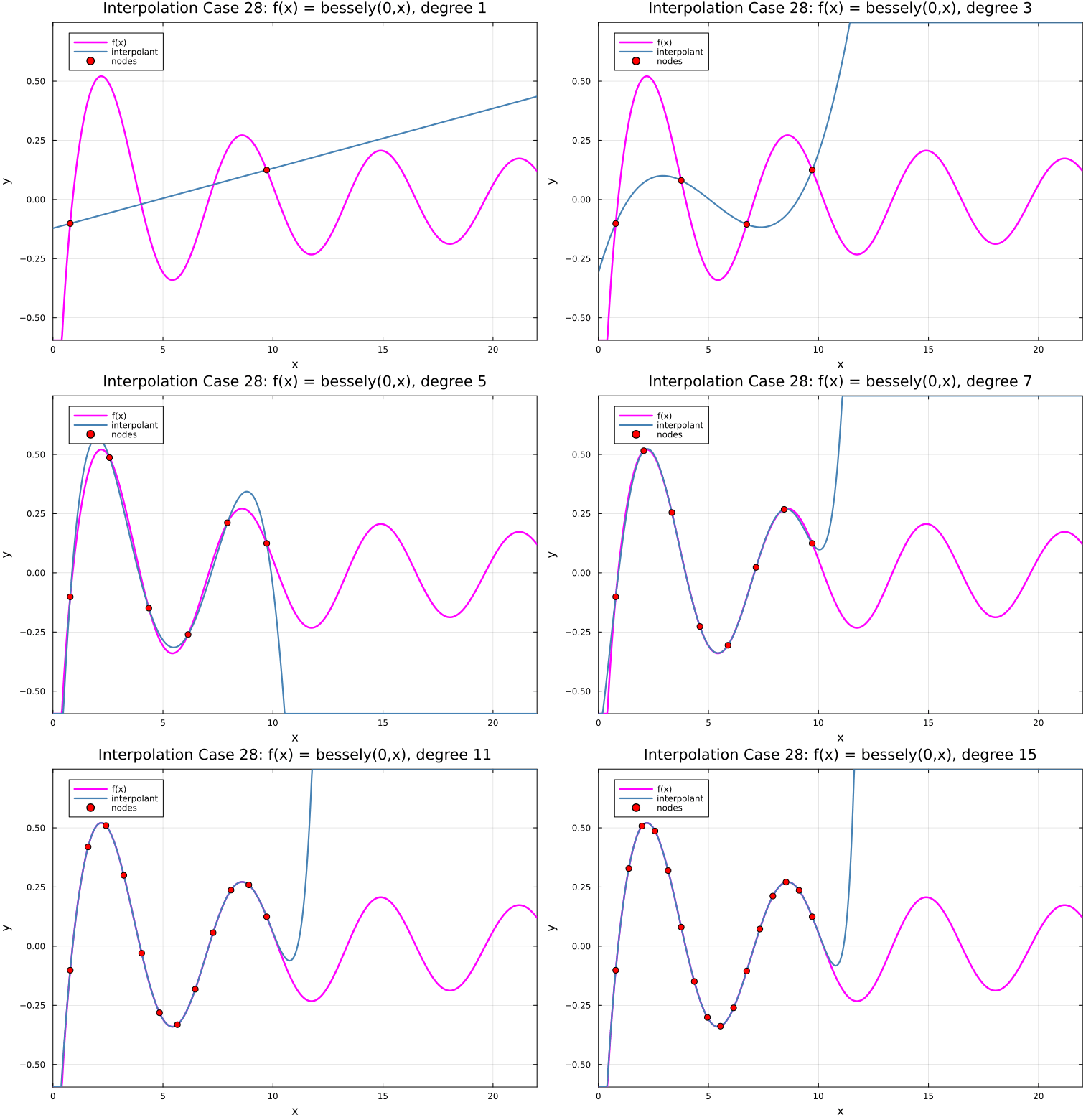
Case 28
Case 29
Derivation Notes (Planned)
Short derivations will be added for interpolation error bounds and node-placement effects.
References
Mathew, John H. 2000-2019. Numerical Analysis - Numerical Methods Modules. https://web.archive.org/web/20190808102217/http://mathfaculty.fullerton.edu/mathews/n2003/NumericalUndergradMod.html.